Alphabet Inc. on Bitunix: How to Trade GOOGLUSDT
Learn what Alphabet is and how to trade GOOGLUSDT on Bitunix. Explore Google stock forecast themes, Alphabet AI stock narratives, earnings catalysts, and beginner trading basics.

If you’ve been in crypto long enough, you’ve probably felt the growing pains of a fragmented blockchain ecosystem. We’ve got bridges, sidechains, rollups, appchains—and still, moving between them can feel like crossing a minefield.
That’s exactly why we listed SIGN.
As of April 28, 2025 (13:00 UTC), SIGN is now live for trading on both Spot and Futures at Bitunix. And we’re not just talking about another token. This one brings real, verifiable infrastructure for cross-chain communication — something crypto badly needs as it heads into its next evolution.
Let’s take a look at what SIGN really does, why it matters in 2025, and how we’re giving our users first-mover access to one of the most utility-focused tokens we’ve seen this year.
[ez-toc]
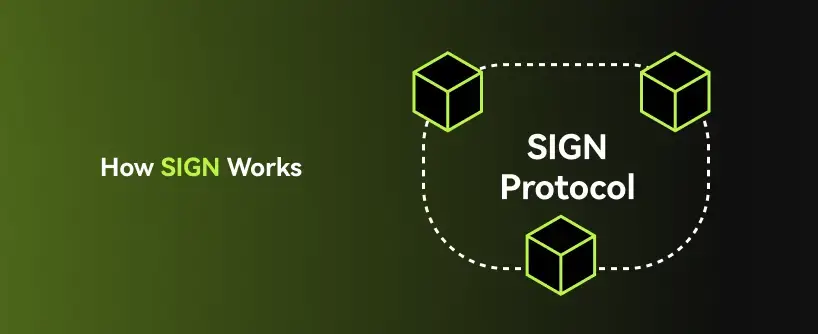
SIGN is the native token of a cross-chain attestation protocol — a fancy way of saying it helps blockchains verify and trust each other.
Just like oracles feed external data into smart contracts, SIGN allows decentralized apps to verify information from other chains — securely, and without relying on centralized bridges. It uses zero-knowledge proofs to keep that verification private, while still provable.
You’ll find SIGN powering:
Right now, the multi-chain world is messy. Every Layer-2 or sidechain solves one thing but creates new silos. Interoperability isn’t just a buzzword anymore — it’s essential.
Here’s what we’re seeing on the ground:
Teams building on Ethereum, BNB Chain, and even Avalanche are starting to plug SIGN into their workflows. Whether it’s verifying a governance vote or securing a cross-chain swap, SIGN helps reduce friction — and cuts down reliance on manual audits or centralized bridge validators.
Enterprises care about compliance, identity trails, and audit logs. SIGN’s zk-based attestation system gives them the kind of verifiability they need without exposing sensitive data. For anything involving identity in Web3, this is a game-changer.
By listing SIGN for both Spot and Futures trading, we’re opening the door for users to do more than just watch the space — they can actively participate.
Here’s what’s available:
“Listing SIGN wasn’t about chasing a trend — it was about backing a serious protocol building toward Web3’s future. This is what utility looks like.” — Bitunix Team
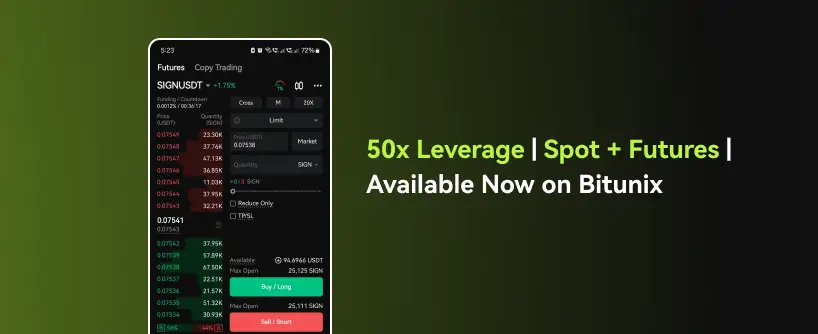
As of early May 2025, SIGN is floating just under a $200 million market cap, with daily volume crossing $18 million — thanks in part to our dual listing on Spot and Futures.
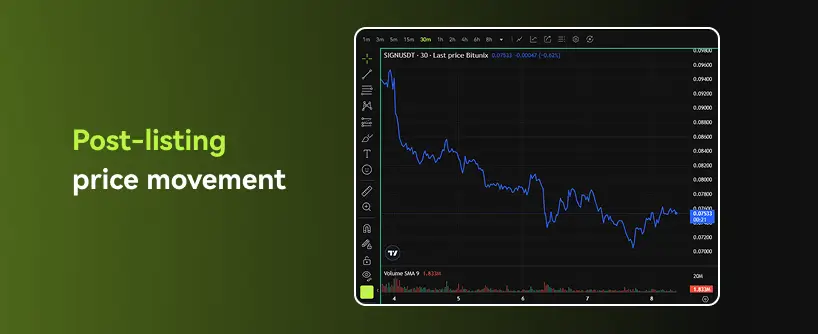
Following the listing, SIGN saw a sharp 16% jump before stabilizing. Right now, it’s consolidating — with many traders eyeing the next leg up. If they roll out L1 integrations soon, expect volatility to follow.
Every one of these adds more real-world use cases — and gives the token long-term strength beyond hype.
We don’t list tokens lightly at Bitunix. When we added SIGN, we did it because we see real tech, real potential, and real demand coming.
In a crypto world that’s increasingly fragmented, interoperability is the next big unlock. And tokens like SIGN are right at the center of it. Whether you’re a developer looking for tools or a trader looking for early momentum — this is one to watch.
The future of Web3 won’t be siloed. And neither should your trades.
Start trading SIGN/USDT on Bitunix now — Spot or Futures, your call.