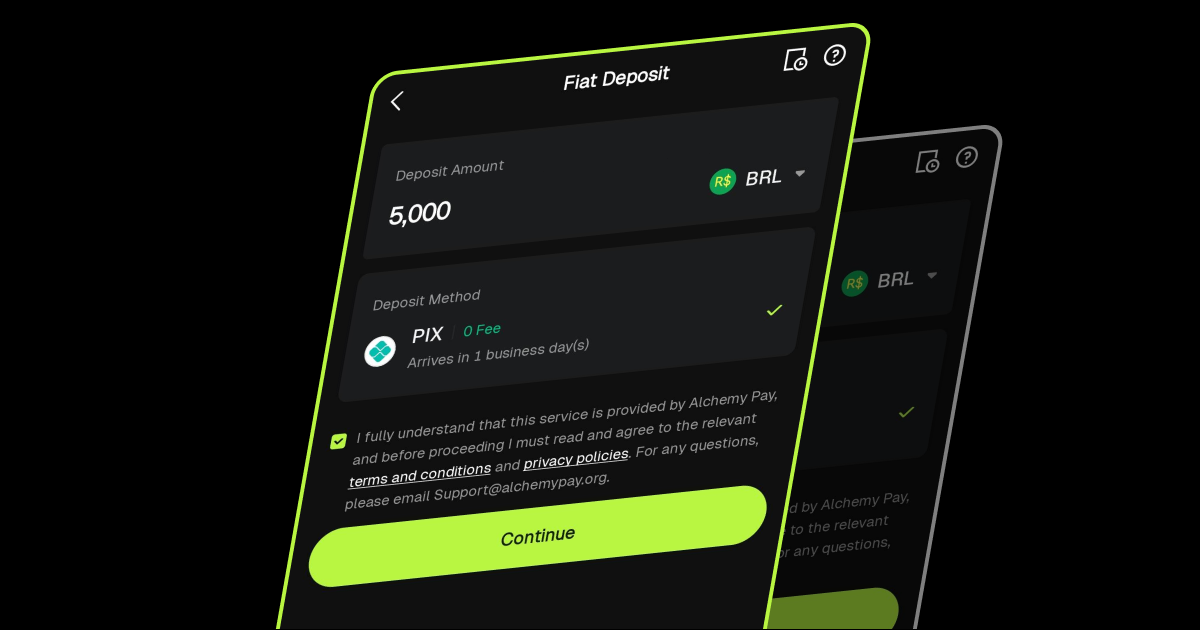
Best Fiat to Crypto Exchange in 2026: How to Buy Crypto With Local Currency
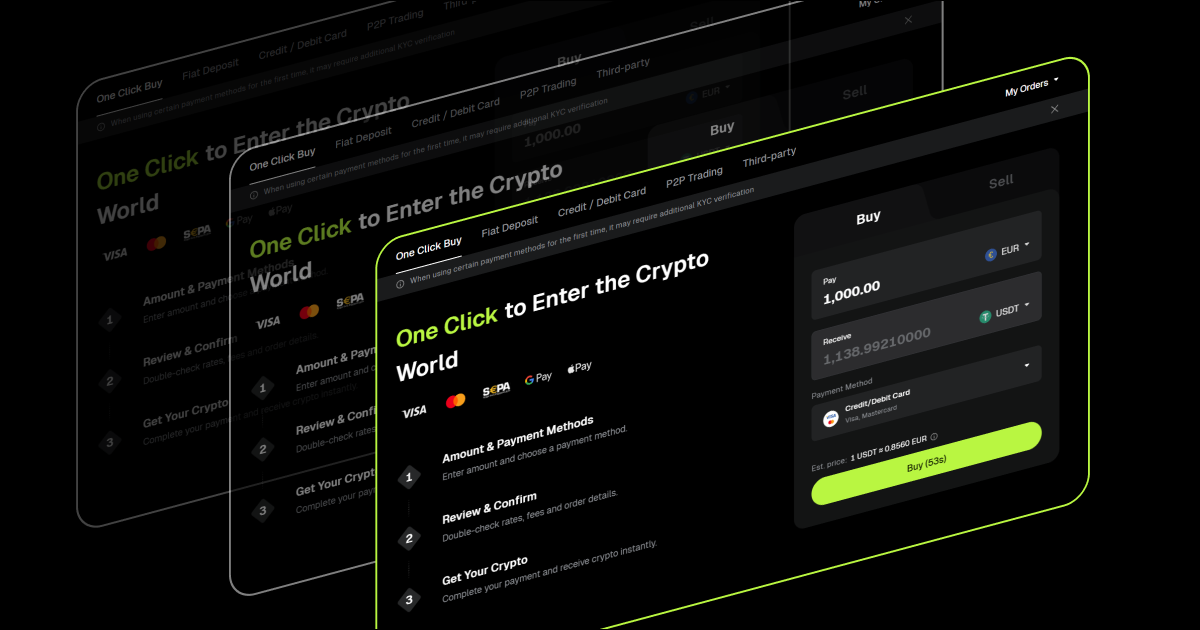
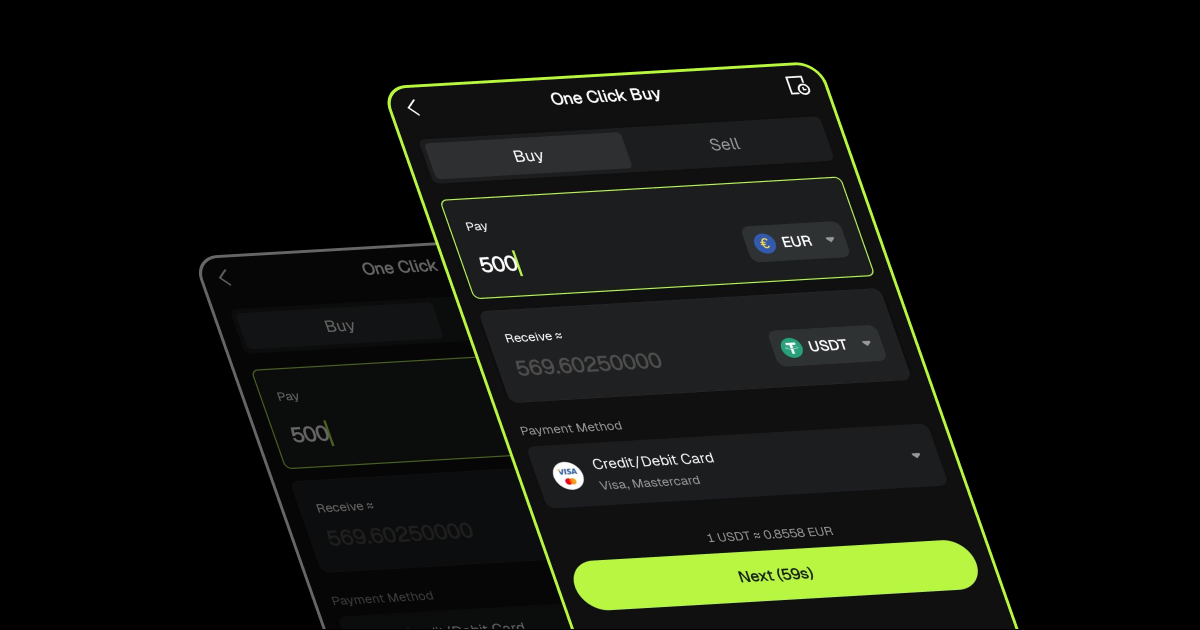
Compare Bitunix, BingX and BloFin for fiat-to-crypto buying in 2026, including local currency options, payment methods, fees, safety and trading access.

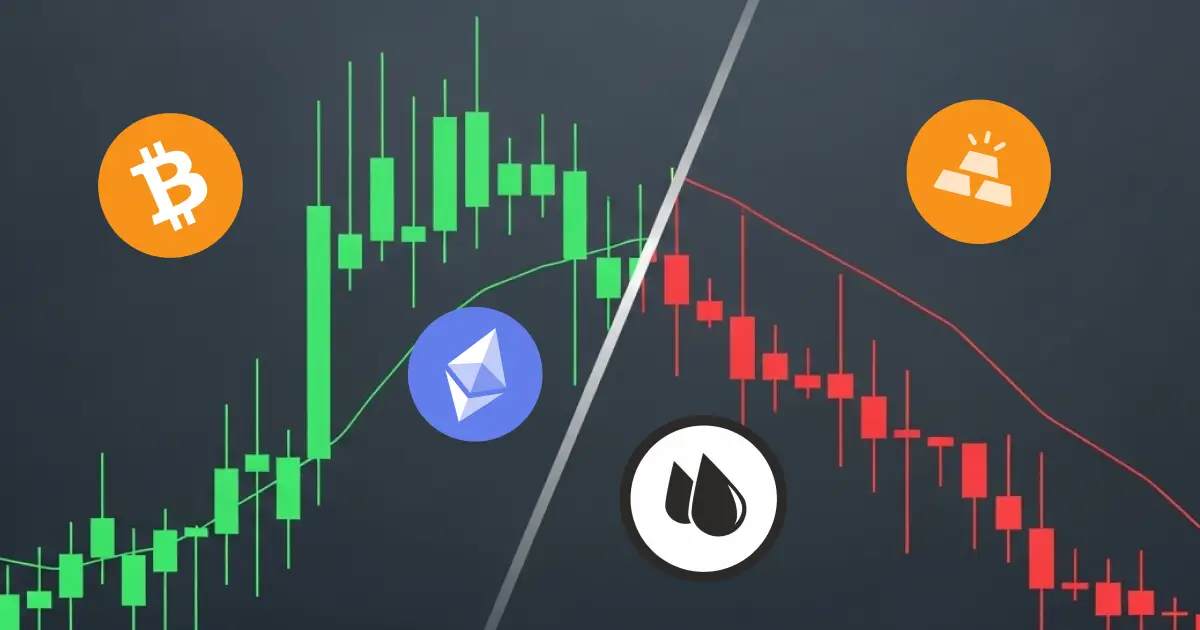
In 2025, futures trading remains one of the most powerful tools for traders looking to control risk, speculate on price movements, and navigate volatile global markets. Whether you’re trading crypto, commodities, or indices, building a structured strategy around futures trading is no longer optional — it’s essential.
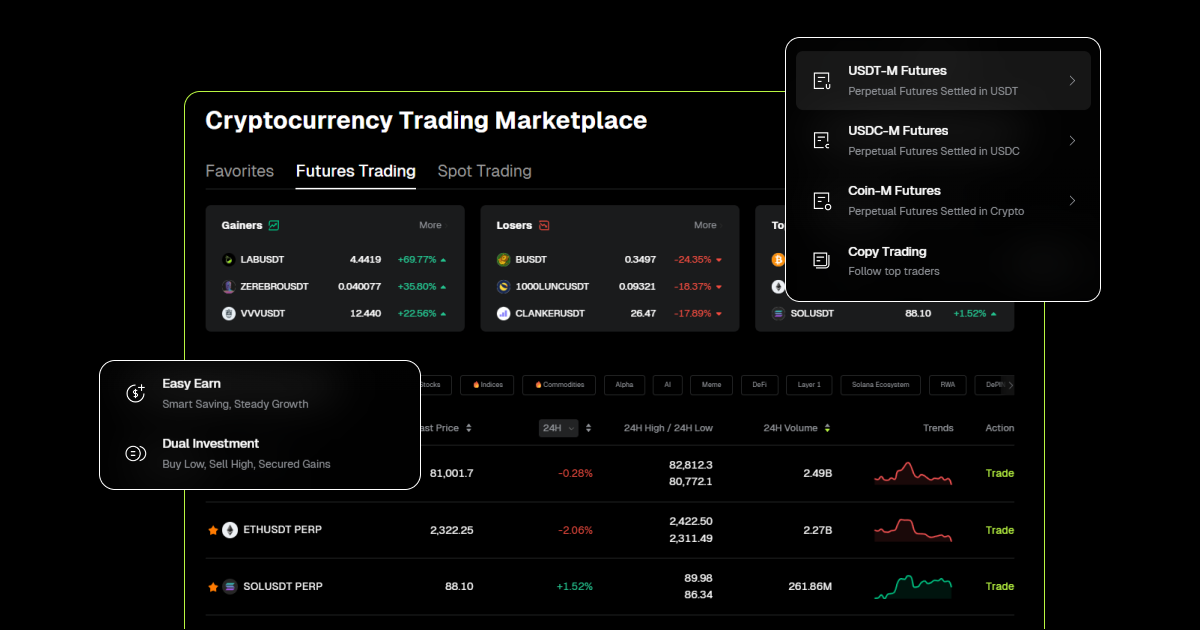
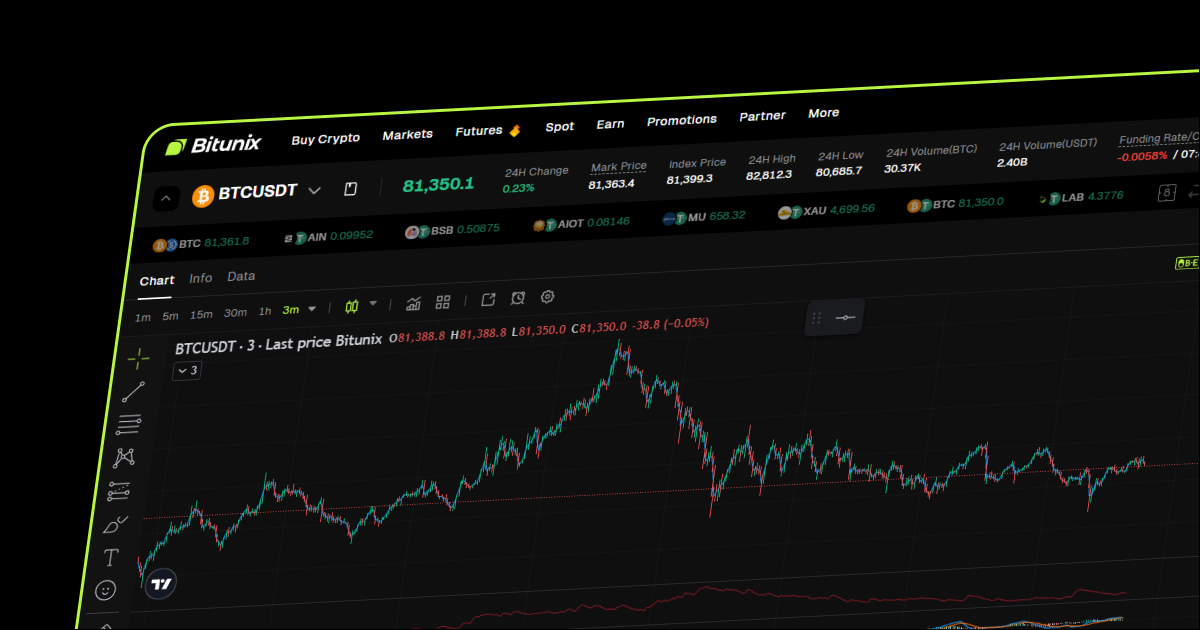
At Bitunix, we believe futures trading should be accessible to both professionals and beginners. That’s why our platform supports a full spectrum of futures trading strategies designed for real-world outcomes. This guide breaks down the most effective strategies in today’s market and how you can apply them directly through our futures trading platform.
[ez-toc]
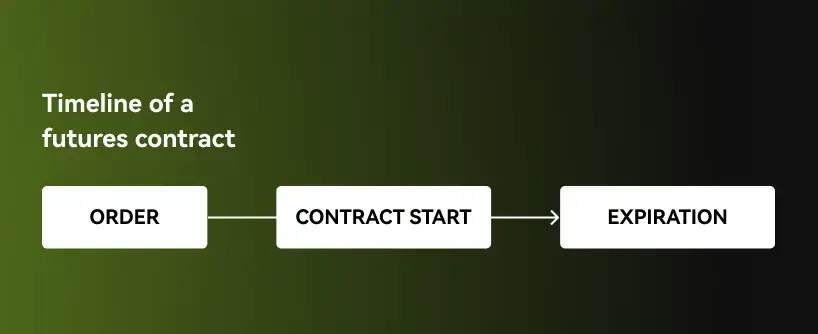
Futures trading involves buying or selling contracts that obligate you to transact an underlying asset at a set price on a future date. These standardized contracts are traded across global exchanges and cover everything from Bitcoin and Ethereum to crude oil, gold, and global indices.
Unlike spot trading, futures trading allows you to:
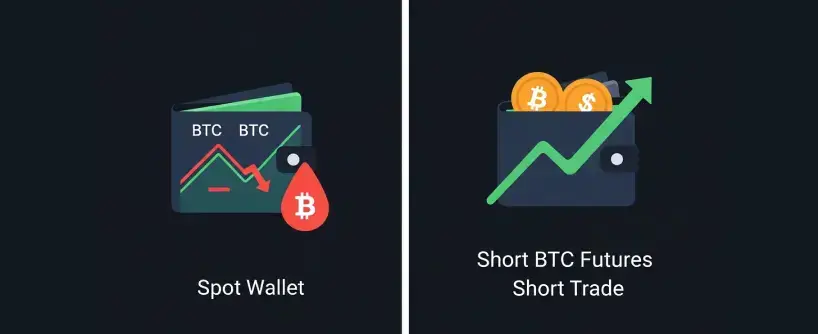
Hedging is a defensive futures trading strategy used to protect current holdings or business exposure. It’s widely used in bothtraditional and crypto markets.
Real Use Case (Crypto): If you’re holding 5 BTC in your Bitunix spot wallet, you can hedge against short-term downside by opening a short BTC/USDT futures contract. If BTC falls, your futures gains help offset spot losses.
Real Use Case (Commodities): A coffee distributor might buy futures to lock in current bean prices, protecting themselves from rising costs in the next quarter.
At Bitunix, hedging is easy with one-click SL/TP orders, reduce-only settings, and flexible margin modes.
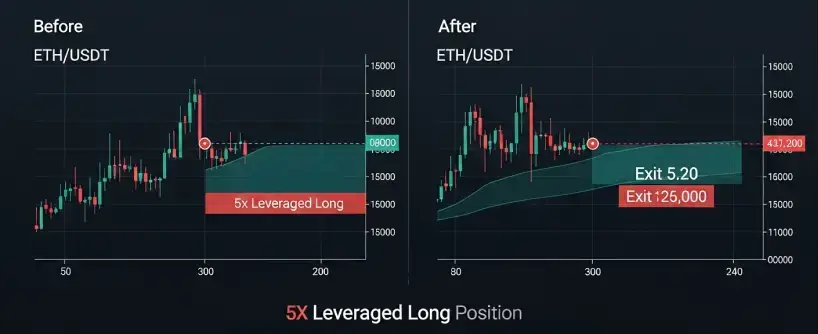
Example: You believe ETH will rise post-upgrade. You go long on ETH/USDT perpetual futures at 10x leverage. If ETH jumps 5%, your gain is 50% (minus funding/fees).
Bitunix supports this strategy through:
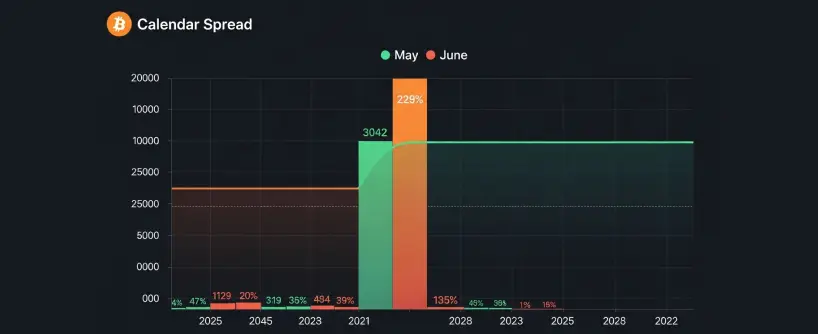
Spreading involves simultaneously buying and selling related futures contracts. The goal is to profit from pricing discrepancies, not direction.
Types of Spreads:
Spreads are ideal for neutral positioning and are less sensitive to short-term volatility — perfect for futures trading in uncertain markets.
Scalping is a high-frequency futures trading strategy that involves taking multiple small trades over short timeframes.
Requirements:
Example: A scalper might open 20 trades per day on BTC/USDT, targeting 0.2% moves using 5–10x leverage.
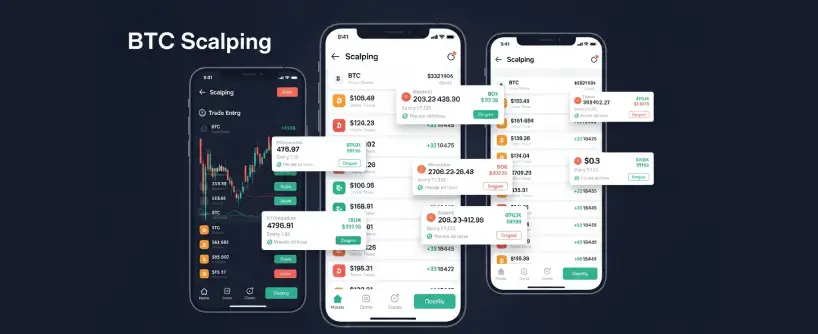
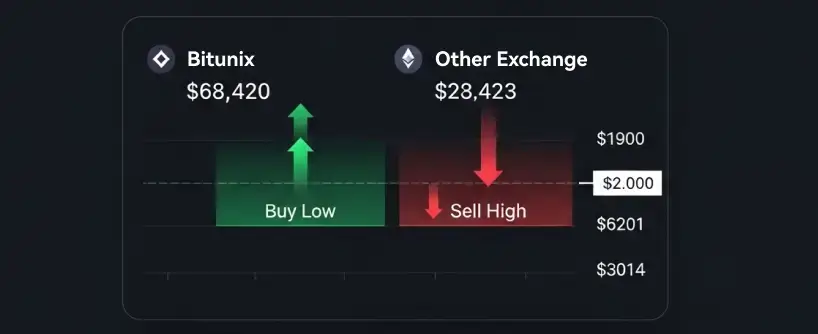
Arbitrage is a technique where traders exploit price differences across platforms or instruments.
Example:
Futures trading arbitrage can also occur between spot and perpetual contracts or during high volatility events.
Position trading is about holding futures contracts for weeks or even months to benefit from macro trends.
Use Cases:
As you grow, so should your system. Here are three advanced strategies used in 2025:
Combine options and futures for complex setups like synthetic longs or gamma scalps.
Exploit inefficiencies across BTC/ETH, ETH/USDT, and BTC/USDT pairs.
Automated trades that analyze futures curves and volatility.
Bitunix APIs and order customization allow advanced traders to build and execute these strategies at scale.
Success in futures trading starts with a defined approach. Your trading plan should include:
Bitunix provides traders with data dashboards, funding calculators, and historical logs to fine-tune plans.
Risk Management in Futures Trading
More leverage = more risk.
To protect yourself:
Our futures trading platform features automatic margin alerts, liquidation risk displays, and reduce-only modes — so you’re always in control.
Just starting out?
We recommend:
Our UI is designed to walk new users through every contract type — from placing a market order to reviewing PnL after closing.
Whether you’re learning how to trade futures or executing a 100-contract macro hedge, Bitunix is built to perform.
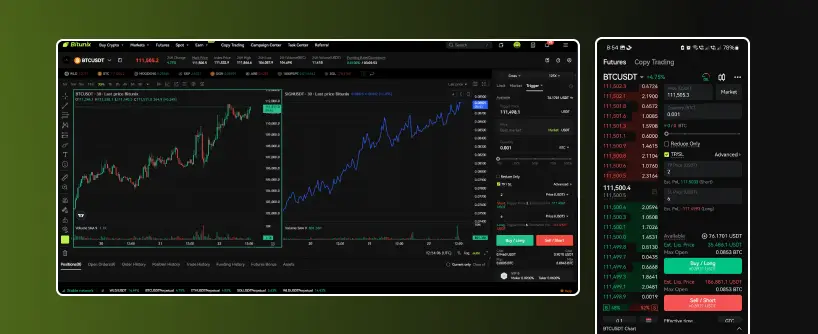
Markets in 2025 are faster, smarter, and more unpredictable than ever. But futures trading, when approached with structure and backed by the right platform, remains one of the most powerful strategies for wealth building and capital preservation.
There is no “one-size-fits-all” futures strategy. Some traders hedge. Some speculate. Some spread. What matters is knowing your risk, defining your plan, and executing with precision.
If you’re ready to step up your futures game — Bitunix is the partner that helps you do it with speed, clarity, and control.