How to Buy Chiliz (CHZ): A Guide for 2026
Learn how to buy CHZ on Bitunix in 2026, what Chiliz is, why it still matters, and how to buy CHZ with USDT step by step.

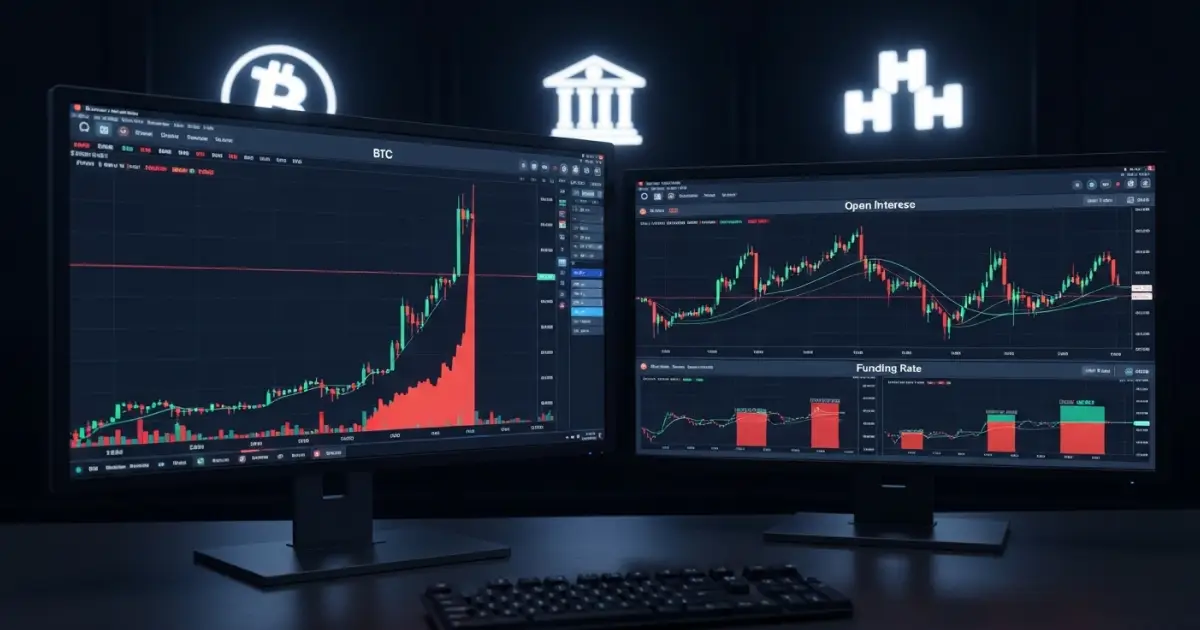
Bitcoin futures have moved far beyond speculation. A Bitcoin futures contract obligates parties to buy or sell Bitcoin at a predetermined price on a specified time in the future. In 2025, they serve as a critical instrument for global price discovery, institutional hedging, and market efficiency. Traditional futures contracts often use physical commodities like crude oil, oil, and gold as underlying assets. Whether you’re a retail day trader or a hedge fund analyst, understanding Bitcoin futures trading is no longer optional.
This article breaks down what Bitcoin futures are a type of futures contract that allows traders to buy or sell Bitcoin at a set price on a future date—how they function in today’s market, and why they matter more than ever. We’ll explore how futures help stabilize liquidity, influence Bitcoin’s spot price, and attract large institutional capital.
[ez-toc]
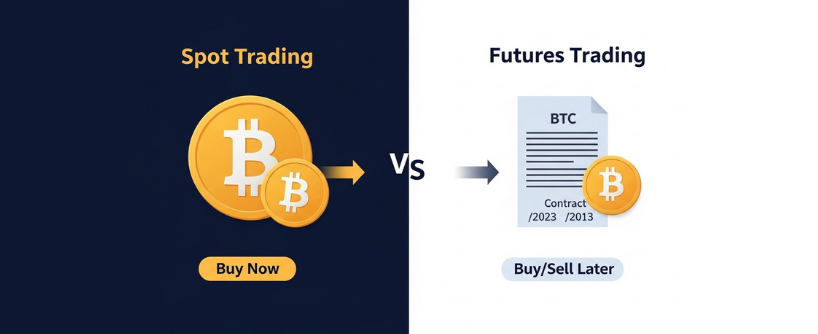
Bitcoin futures are financial contracts that obligate the buyer or seller to transact Bitcoin at a predetermined price on a specified future date. Unlike buying spot Bitcoin, futures allow traders to speculate on BTC’s future value without owning the underlying asset. Traditional futures contracts are based on underlying assets such as physical commodities (like oil or gold) or financial instruments, and Bitcoin futures are settled in a similar way, with Bitcoin as the underlying asset.
There are two types of Bitcoin futures:
On platforms like Bitunix, traders use perpetual contracts—a popular type of futures without expiry, settled every few hours with a funding mechanism to align prices with spot markets. Bitcoin futures are traded on exchanges, which standardize contract terms, facilitate trading, and help ensure security and transparency for participants.

In previous years, Bitcoin futures were seen as tools for speculation or aggressive leverage. That perception has changed. In 2025, futures contracts perform several essential roles:
Funds and corporations now use BTC futures to hedge against market volatility. Institutions can short futures contracts while holding spot BTC, reducing portfolio risk during periods of uncertainty. Institutions actively manage their futures positions to hedge risk and optimize exposure. Bitcoin futures are also used to manage market risk through hedging strategies, helping institutions protect against potential financial losses from fluctuations in the market prices of underlying assets.
Bitcoin futures markets often lead spot prices due to faster execution and deeper liquidity. When major movements occur in futures open interest or funding rates, spot prices tend to follow.
Futures attract more trading volume than spot markets on many platforms. This additional volume increases liquidity across the board, which benefits traders by reducing spreads and slippage.
Platforms like Bitunix offer up to 125x leverage on BTC/USDT futures. While high risk, this allows experienced traders to amplify gains without needing large capital outlay. Trading with leverage in Bitcoin futures requires meeting specific margin requirements set by the platform or exchange, which are designed to manage leverage and ensure contract performance. To open or maintain a leveraged position, traders must maintain a minimum amount of margin as required by the platform.
In 2025, the participants in Bitcoin futures markets include:
Most traders access Bitcoin futures through a broker and a dedicated brokerage account, which facilitates order execution and margin management. Monitoring different types of accounts, such as futures accounts and margin accounts, is crucial for effective risk management and maintaining proper collateral levels.
Institutions prefer futures because of regulatory clarity, scalability, and tax advantages in some regions. This influx of professional capital has made BTC futures a core part of the broader crypto market structure.
Starting your journey in Bitcoin futures trading begins with opening a dedicated futures trading account. This process is designed to be straightforward, but it’s important to understand the requirements and responsibilities involved before you start trading futures. First, you’ll need to select a reputable broker that offers access to Bitcoin futures contracts. Once you’ve chosen your broker, you’ll open a futures account—sometimes called a futures trading account—where you’ll manage your trades, margin, and positions.
To trade futures, you must meet the initial margin requirement, which is a percentage of the notional value of the futures contract you wish to trade. This initial margin acts as a performance bond, ensuring you have enough capital to cover potential losses. The notional value represents the total value of the underlying asset (in this case, Bitcoin) covered by the contract. It’s crucial to understand how margin works in your futures account, as failing to maintain the required margin can result in a margin call or forced liquidation.
When you open a futures trading account, you’ll also need to familiarize yourself with the risks of trading futures. Futures contracts are leveraged instruments, meaning you can control a large position with a relatively small initial investment, but this also amplifies market risk. Price movements can be swift and significant, so it’s essential to have a clear understanding of your risk tolerance and trading strategy before you buy or sell any futures contract. By taking the time to learn the basics and choosing a reliable broker, you’ll be well-prepared to start trading futures and navigate the dynamic world of Bitcoin futures markets.
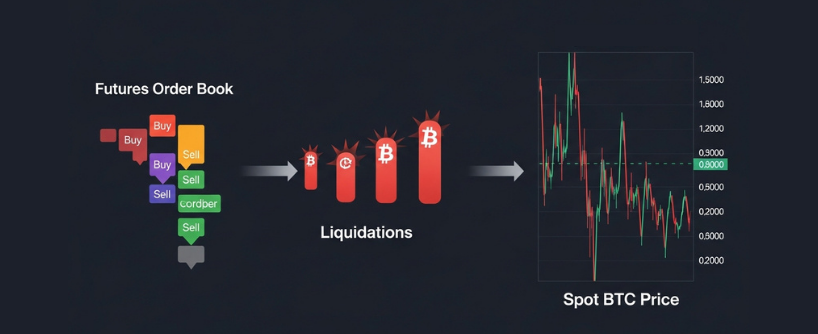
Many believe the spot price of Bitcoin drives the futures market. In reality, it often works in reverse. Futures traders respond to macro news, on-chain data, and technical signals at higher speeds, pushing futures prices before spot reacts. Traders closely monitor price swings to identify trading opportunities and manage risk, as these significant movements can signal shifts in market sentiment. These price movements and price changes are often observed within a single trading day, highlighting how quickly futures can impact the spot market.
This relationship becomes even more noticeable during:
In short, Bitcoin futures act as a leading indicator for where the spot market might be headed.
Perpetual futures are the most widely traded product in crypto derivatives. Unlike traditional futures, they never expire. Instead, they rely on funding rates to balance long and short positions.
On Bitunix, BTC/USDT perpetual contracts update every 8 hours, ensuring that the futures price stays close to the spot index. Traders pay or receive funding depending on the market bias:
To keep positions open and avoid liquidation, traders must maintain a futures margin, which includes both the initial margin required to open a position and the maintenance margin that must be upheld to prevent margin calls. Traders must ensure their margin account always meets both initial and maintenance margin requirements to support their trading positions and minimize the risk of liquidation.
This system gives traders flexibility to hold positions without worrying about expiry or forced rollovers.
Large-scale investors such as hedge funds, family offices, and sovereign wealth funds often avoid spot trading due to custody risks and execution complexity. Bitcoin futures, especially when traded on regulated platforms, offer:
The CME Group is a leading exchange offering a wide range of financial instruments, including equity index futures, which are popular among institutional investors. The exchange provides access to a variety of futures products, allowing traders to select contracts based on liquidity, expiration dates, and trading strategies.
The growth of institutional-grade tools on Bitunix, including SL/TP orders and sub-account management, makes the platform appealing for professional traders in 2025. Bitunix also offers extended trading hours to accommodate the needs of institutional and professional traders.
Successful futures traders keep an eye on several core metrics:
Traders should also monitor contract value, notional value, and tick size. Contract value and notional value help determine the total exposure and leverage of a position, while tick size represents the smallest price movement, affecting how price changes impact your account.
These metrics can be monitored on Bitunix’s real-time futures dashboard, giving users an edge in fast-moving markets. Bitunix’s dashboard also provides trading insights through expert analysis and real-time data visualization tools, helping traders make informed decisions.
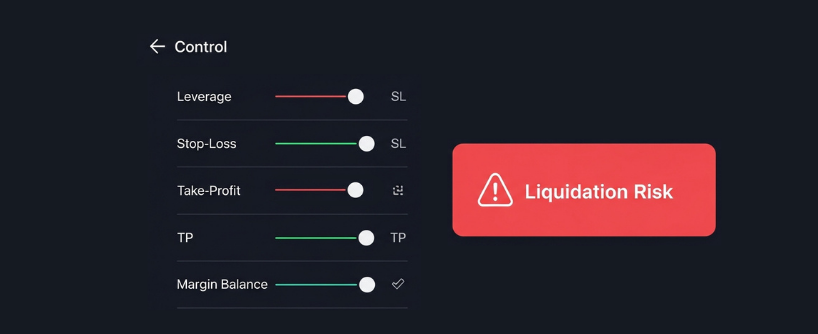
Before trading futures, it is essential to assess your risk tolerance, as these markets can be highly volatile and may not be suitable for every investor. Monitoring your futures transactions is also crucial for regulatory compliance, effective risk management, and accurate reporting.
Leverage multiplies both profits and losses. That’s why risk control is critical.
Here’s how smart traders manage futures risk:
When trading futures, you are required to post a performance bond, also known as margin, as a financial safeguard to guarantee contract fulfillment. If your account balance falls below the maintenance margin due to losses, a margin call will be issued, requiring you to deposit additional funds or close positions. Failure to meet a margin call can result in a resulting deficit or resulting debits, which may lead to forced liquidation of your positions and additional financial obligations.
Bitunix offers integrated risk tools on every order page, allowing precise control at entry.
The Bitcoin futures market is likely to continue expanding. Key trends shaping its future include:
Bitunix remains at the forefront by continuously adding new features, including ultra-fast execution, mobile trading parity, and copy trading integration for futures markets.
Is Bitcoin futures trading profitable in 2025?
Yes, with proper strategy and risk control, many traders profit from futures. However, volatility means risk remains high.
How are Bitcoin futures different from spot trading?
Futures allow you to speculate on BTC’s price direction without owning the coin. You can go long or short and use leverage.
Does futures trading affect Bitcoin’s actual price?
Absolutely. Futures trading influences spot price through arbitrage and liquidation effects, especially during high volume periods.
Can beginners trade Bitcoin futures?
Yes, but they should start with low leverage and practice in a demo environment. Bitunix provides a beginner-friendly interface and strong learning support.
Are Bitcoin futures regulated?
Many are. Exchanges like the CME are fully regulated. Bitunix offers global access and compliance transparency, depending on user region.
Disclaimer: Trading digital assets involves risk and may result in the loss of capital. Always do your own research. Terms, conditions, and regional restrictions may apply.