How to Buy Chiliz (CHZ): A Guide for 2026
Learn how to buy CHZ on Bitunix in 2026, what Chiliz is, why it still matters, and how to buy CHZ with USDT step by step.

In 2025, algorithmic trading is no longer a niche strategy — it’s the backbone of high-performance crypto trading. From hedge funds to solo traders, automation is transforming how digital assets are bought and sold. The rise of advanced trading bots and artificial intelligence is creating smarter, faster, and more efficient markets.
This article breaks down what algorithmic trading bots do, how they work in the crypto space, and why they are critical tools for navigating modern markets.
[ez-toc]
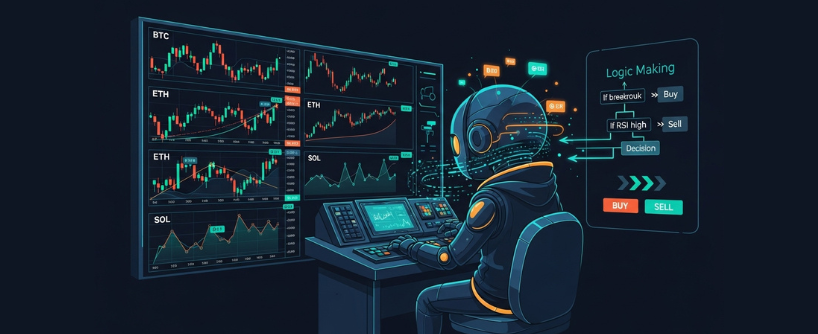
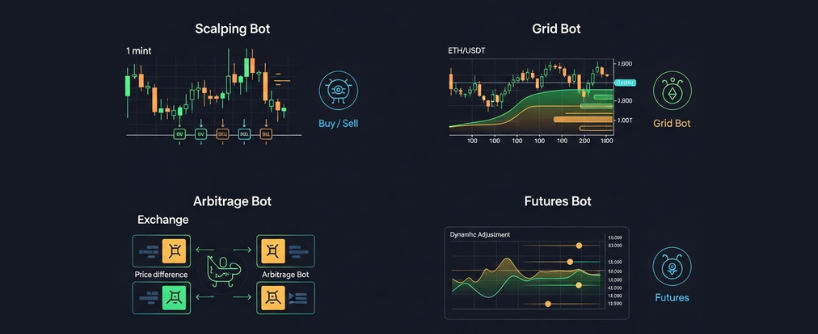
An algorithmic trading bot is a software program that executes trades based on pre-set conditions. Unlike humans, these bots don’t sleep, hesitate, or get emotional. They follow logic, rules, and real-time data to place buy and sell orders automatically. In the crypto world, where price movements can be drastic and sudden, algorithmic bots offer a tactical advantage.
There are different types of algorithmic bots used in crypto, including:
Each bot is tailored to specific market conditions and strategies.
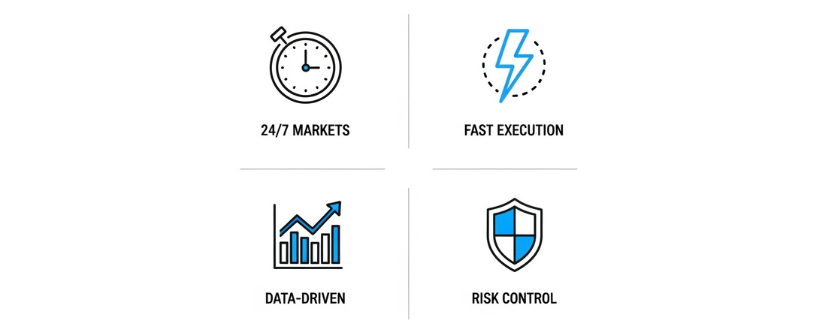
The growing adoption of AI trading bots is driven by multiple forces:
These advantages are especially important for crypto traders managing volatile portfolios or juggling multiple assets across spot and futures markets.
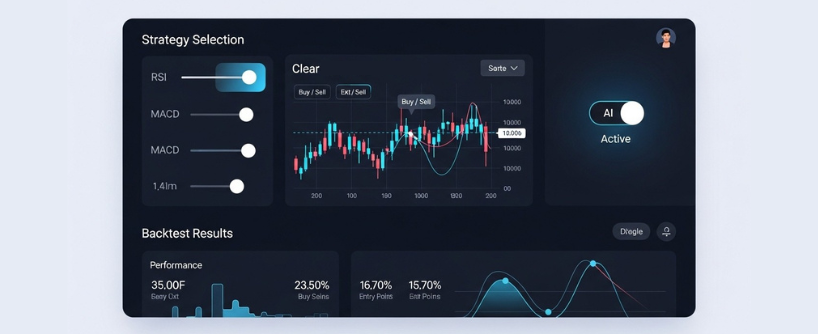
The landscape for automated trading bots has matured. Today’s most powerful bots offer:
The most effective bots support both spot trading bots and futures trading bots, with advanced controls for leverage, margin, and funding fees.
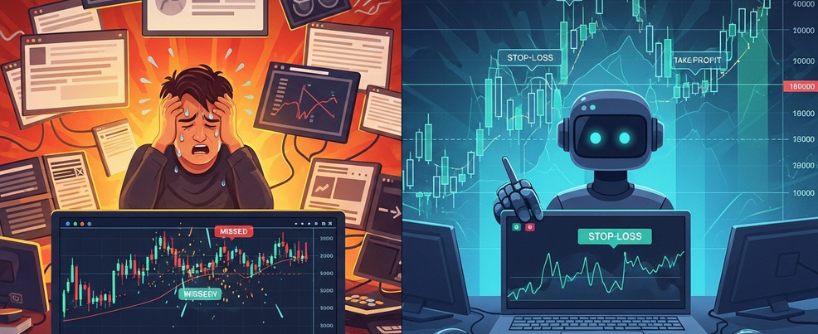
Manual trading is still valuable for experienced traders, but it’s often slower and prone to emotional decisions. Algorithmic bots remove those human flaws and bring discipline to execution.
Manual traders may miss price entries, forget to set stop losses, or hesitate to close positions. A bot, on the other hand, sticks to logic. This consistency becomes even more important when trading highly volatile coins.
Here’s a quick comparison:
| Feature | Manual Trading | Algorithmic Bots |
| Speed | Slow | Instant (ms-level) |
| Emotionally driven | Often | Never |
| Works 24/7 | No | Yes |
| Handles multiple trades | Difficult | Easily |
| Based on strategy | Inconsistent | Fully rule-based |
As a result, many professional traders now use a hybrid model — manually reviewing setups and letting bots handle execution.
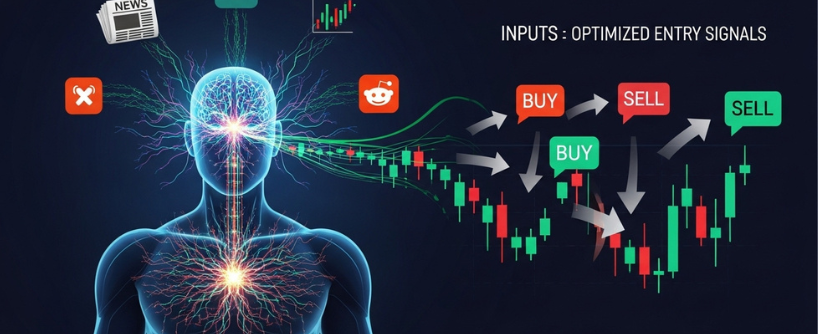
One of the biggest shifts in 2025 is the move from rule-based bots to AI crypto trading bots. These bots learn from market patterns, historical data, and even news sentiment. Some platforms now offer bots that adapt their strategies in real-time based on volatility, order book dynamics, or unusual trading volume.
Benefits of AI in crypto trading bots include:
While AI bots still require oversight, they’re becoming more autonomous and smarter every year.
Here’s how real traders are leveraging bots in today’s crypto markets:
Advanced traders are even combining bots with analytics dashboards to adjust risk on the fly and monitor multiple strategies at once.
As helpful as bots are, they come with risks. Always consider:
Avoid downloading free bots from unknown sources. Instead, use vetted platforms with encryption and user support.
On Bitunix, traders can integrate strategies directly into the TradingView-powered interface and use manual automation via custom alerts, conditional orders, and real-time charting. While Bitunix does not offer built-in bot creation as of now, it supports:
Whether you’re backtesting a scalping system or deploying a futures bot, Bitunix provides a low-lag environment for precision automation.
Algorithmic trading bots are not the future — they are the present. They help reduce emotional errors, increase execution speed, and allow for consistent strategy deployment across any time zone. In 2025, the most competitive crypto traders are the ones who integrate automation into their daily routine.
For serious traders in the crypto space, learning how to build, deploy, and manage bots is now a vital skillset.
Disclaimer: Trading digital assets involves risk and may result in the loss of capital. Always do your own research. Terms, conditions, and regional restrictions may apply.