In crypto trading, risk never disappears. The market is fast, volatile, and influenced by both global finance and unpredictable sentiment, especially within crypto markets where these dynamics are most pronounced. By 2025, traders have more tools than ever to manage risk, but the question remains: should you hedge or should you short? The choice often depends on your individual risk tolerance and investment goals. Both strategies are designed to protect capital, but they operate differently and are suited to different market conditions, making it essential to select the right strategy for your specific situation.
This article explains how hedging compares to shorting, when to use each, and the rules that every trader should follow in bullish, bearish, and sideways markets. It also highlights how modern platforms like Bitunix provide tools and resources for traders to apply these strategies with confidence.
[ez-toc]
Hedging Versus Shorting in Simple Terms
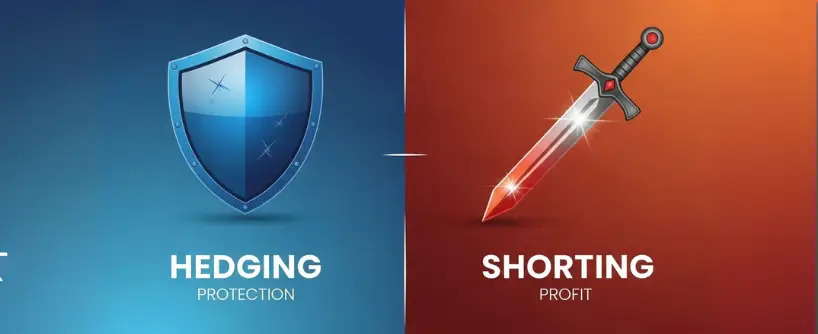
Both strategies are designed to protect capital, but they operate differently and are suited to different market conditions. The main difference is that hedging focuses on managing risk and protecting against potential losses by opening a position in the opposite direction of your current holdings, while shorting is primarily aimed at profiting from price declines.
Hedging is the act of opening a hedging position in the opposite direction to your existing holdings to reduce risk. For example, imagine you hold a long portfolio of Bitcoin and Ethereum. If you fear a downturn and want to mitigate potential losses, you might hedge by shorting a futures contract. If the market falls, your portfolio loses value but your hedge offsets some or all of those losses.
Shorting, on the other hand, is a directional bet. You are not only protecting existing positions, you are aiming to profit from falling prices. While hedging is defensive, shorting is offensive. The difference lies in the intent and outcome: hedging is about risk management and offsetting losses, while shorting seeks to generate profit from declines.
In practice, both tools overlap. Traders may hedge part of a portfolio with a small short, or they may go fully short to capitalize on bearish conditions. The key is knowing when each approach makes sense.
When to Hedge in 2025
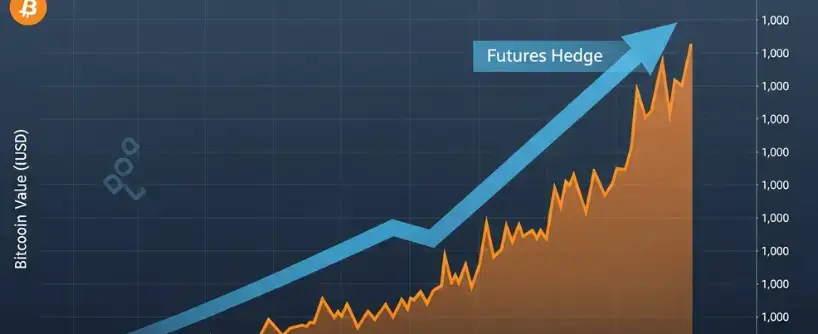
Hedging is best used when you already hold significant long exposure that you do not want to sell. This could be long-term Bitcoin spot holdings, altcoin spot holdings, or even DeFi spot holdings. Reasons to hedge include:
- Temporary Risk Events: If a central bank decision, major lawsuit, or global crisis threatens the market, a short-term hedge protects value without forcing you to liquidate. Long term investors may benefit from hedging to manage volatility without frequent trading.
- Portfolio Diversification: Hedging one asset reduces volatility in the whole portfolio. For example, if Ethereum is tied to DeFi growth, a hedge in ETH futures stabilizes value when sentiment turns. Managing crypto exposure and risk exposure through diversification and hedging helps protect your portfolio from adverse price movements.
- Tax or Lockup Reasons: Some investors who are already invested cannot sell holdings due to tax consequences or vesting periods. Hedging allows them to reduce risk without triggering those events.
- Sideways Market Periods: When you expect range trading instead of a trend, hedges can protect your investments during uncertain periods while you keep exposure to potential upside.
The purpose of hedging is not to maximize profit, but to stabilize investment performance.
When to Short in 2025

Opening a short position through short selling is appropriate when you expect a clear downward trend and want to profit directly from potential profits as the price declines. However, these trading activities also expose you to potential losses if the market moves against your short position. Situations where such trades make sense include:
- Strong Bearish Sentiment: When funding rates turn extremely positive, indicating crowded longs, trading activities like short selling can capture sharp corrections.
- Technical Breakdown: If Bitcoin falls below long-term support with volume, executing trades by opening a short position provides direct profit as the price declines.
- Macro Pressure: Rising interest rates, regulatory crackdowns, or shrinking liquidity often create bearish macro backdrops. Shorting positions during these times can be highly profitable.
- Overheated Altcoins: Small cap altcoins that have pumped 200 percent in days often reverse violently. Engaging in trades such as short selling them with caution can be lucrative.
Shorting requires discipline because potential losses are theoretically unlimited. Unlike hedging, which limits volatility, improper shorting can lead to significant financial losses. Shorting aims to generate return in downturns but carries higher risk.
Risk Management Rules for Bulls
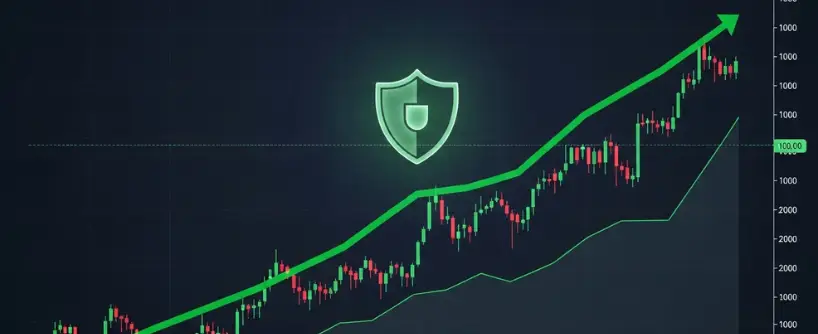
Even in bull markets, risk management is vital.
- Hedging Rule: In bull markets, a hedging strategy is essential to protect against the risk of rising prices. If funding rates spike too high, consider using a long hedge or opening a long position to offset potential increases in costs. This approach allows you to ride the bull trend while the hedge offsets overnight funding costs and downside surprises.
- Shorting Rule: Avoid aggressive shorting in strong bull markets. Small tactical shorts against overheated assets may work, but betting against the overall trend is usually costly.
- Stop Placement: For hedges, place stops only if you want protection limited to specific ranges. For shorts, stops must be strict to prevent losses from runaway rallies.
Many platforms offer features aimed at allowing traders to manage risk effectively in these scenarios.
Risk Management Rules for Bears

Bear markets create both opportunity and risk.
- Hedging Rule: If you must hold long-term crypto, use a short hedge or short hedges with futures or options to protect against adverse price movements and achieve a lower price for your holdings during downturns. You can also hedge by taking positions in a related asset to manage volatility.
- Shorting Rule: Short trends are profitable if you identify breakdowns early. Use moderate leverage, as volatility can spike suddenly.
- Stop Placement: Protect profits with trailing stops. Bear rallies, also known as relief rallies, can liquidate shorts quickly.
Risk Management Rules for Sideways Markets
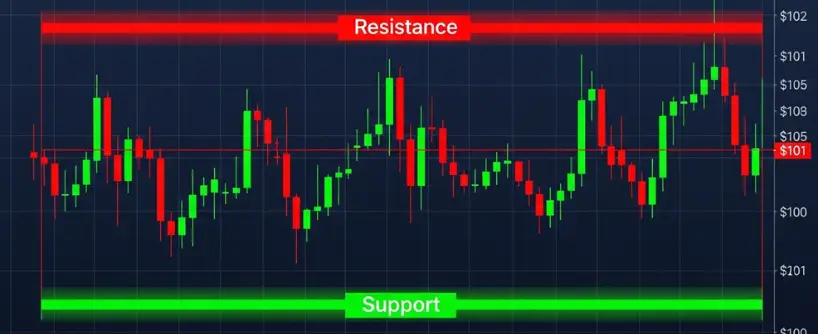
Sideways or range-bound conditions demand patience, especially due to unpredictable price fluctuations.
- Hedging Rule: Hedging reduces frustration and provides security. A balanced hedge lets you hold core positions while limiting range losses, offering the possibility to cap downside risk while still benefiting from potential upside gains.
- Shorting Rule: Shorting ranges is dangerous unless you time perfectly at resistance. Consider scalping rather than long holds.
- Stop Placement: Stops should be wider in sideways markets, since ranges are full of fakeouts. Position size should be smaller to reflect higher uncertainty.
Practical Checklist for Hedge Versus Short

- Ask Why: Are you protecting existing holdings or trying to profit directly?
- Measure Exposure: Assess your risk exposure. If you already hold large longs, hedging makes sense. If you are in cash, shorting may be cleaner.
- Check Funding Rates: Funding costs can make shorting unprofitable over time. Hedging may be cheaper if rates are against you.
- Assess Time Horizon: Hedging is often short-term and may limit your potential gains due to reduced upside. Shorting can be both short-term or part of a longer bearish plan.
- Set Risk in Advance: Whether hedging or shorting, define maximum risk before entering. Consider the opportunity cost of your chosen strategy, such as missing out on higher profits if the market moves in your favor.
- Minimize Losses: Ensure your strategy is designed to minimize losses as a key objective.
Real Market Examples
- Bitcoin in Early 2022: Investors hedged their portfolios as Bitcoin broke below 40,000 dollars, responding to a significant price drop. By using derivatives based on the underlying asset, such as futures contracts and options contracts, they are locked in a predetermined price to mitigate losses from the fall in value. Hedges reduced portfolio pain while long-term holders avoided selling at a loss.
- Ethereum in Mid 2021: Traders shorted Ethereum aggressively after a parabolic rise. Many used contracts, including futures contracts and options contracts, to hedge their digital assets. Some assets were sold or settled as technical breakdowns created direct shorting profits, but those without stops were squeezed by sudden rallies.
- Bitcoin in 2025: During a summer correction, funding rates flipped deeply negative. Traders hedged with futures contracts and options contracts to protect long portfolios of digital assets, locking in predetermined prices to guard against further declines. Tactical shorts captured short-term declines before markets stabilized.
These examples show that hedging and shorting are not mutually exclusive but context dependent.
How Bitunix Supports Risk Management
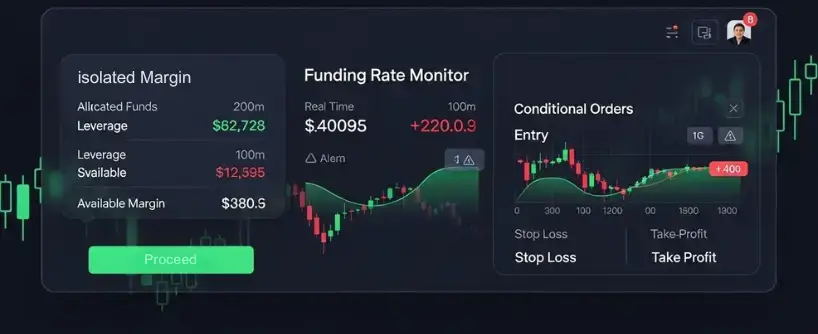
Bitunix provides tools that make both hedging and shorting more accessible and safer for traders. Our futures platform allows isolated margin accounts, meaning one trade cannot wipe out your entire balance. The platform also offers access to derivatives, such as futures and options, which are essential for risk management and hedging strategies in crypto trading. Funding rate monitors let you check whether holding a position will cost or pay funding fees. Conditional orders allow stop loss and take profit automation, removing emotional delays. Bitunix supports a wide range of trading activities, enabling users to implement various risk management techniques.
For those who want to strengthen their understanding, Bitunix Academy offers structured lessons on hedging strategies, shorting mechanics, and broader risk management. The Academy explains in detail how hedging works and how hedging works as risk management strategies, including real-world trading examples. Traders can search the web for Bitunix Academy to access tutorials, guides, and video content designed to explain strategies step by step.
Risks of Hedging and Shorting
- Risks Involved: Hedging and shorting come with risks involved, including potential losses if strategies are not executed properly.
- Overhedging: Too much hedging cancels out your entire portfolio, making gains impossible.
- Mistimed Shorts: Shorting too early in bull markets is a common way to lose capital.
- Funding Fees: Overnight costs accumulate and can reduce profit margins.
- Leverage Risk: Both strategies amplify risk, especially in periods of high volatility, if leverage is misused.
Frequently Asked Questions
Is hedging better than shorting?
Neither is universally better. Hedging reduces volatility, while shorting profits from declines. The right choice depends on your goals and market conditions.
Can I hedge without futures?
Yes. You can hedge by holding stablecoins, inverse ETFs, or options contracts. Options contracts give you the right, but not the obligation, to buy or sell an asset at a set price within a certain timeframe. This means you are not under the obligation to execute the trade, unlike other contracts that require you to fulfill the terms. Futures are simply the most direct method.
When is shorting too risky?
Shorting is too risky in strong bull markets or when funding rates make it too costly to hold.
Does Bitunix support hedging?
Yes. Traders can open opposite positions using futures, and Bitunix provides risk management tools like isolated margin and stop orders.
Should beginners hedge or short?
Beginners may find hedging safer, since it is defensive. Shorting requires experience and strict discipline.
Conclusion
By 2025, risk management in crypto requires more than intuition. Traders must choose whether to hedge or to short depending on the trend, their exposure, and their objectives. Hedging is defensive, limiting downside for existing holdings. Shorting is aggressive, seeking profit from price declines.
Both strategies demand discipline, proper stop placement, and awareness of funding costs. Platforms such as Bitunix give traders the tools to apply these methods while controlling risk, and Bitunix Academy provides education for those who want to learn in depth.
The most important rule is to know why you are entering a trade. Protecting capital is as important as seeking profit. Whether you hedge or short, preparation and discipline turn market volatility into manageable risk rather than uncontrollable losses.
About Bitunix
Bitunix is one of the world’s fastest growing professional derivatives exchanges, trusted by over 3 million users across more than one hundred countries. Ranked among the top exchanges on major data aggregators, Bitunix processes billions in daily volume and offers a comprehensive suite of products including perpetual futures with high leverage, spot markets, and copy trading. Users can trade bitcoin and other major cryptocurrencies on the platform, taking advantage of advanced trading features. Known for its Ultra K line trading experience and responsive support, Bitunix provides a secure, transparent, and rewarding environment for both professional and everyday traders. Bitunix Academy adds structured lessons so you can build skills while you trade.
Bitunix Global Accounts
X | Telegram Announcements | Telegram Global | CoinMarketCap | Instagram | Facebook | LinkedIn | Reddit | Medium
Disclaimer: Trading digital assets involves risk and may result in the loss of capital. Always do your own research. Terms, conditions, and regional restrictions may apply.