How to Buy Chiliz (CHZ): A Guide for 2026
Learn how to buy CHZ on Bitunix in 2026, what Chiliz is, why it still matters, and how to buy CHZ with USDT step by step.

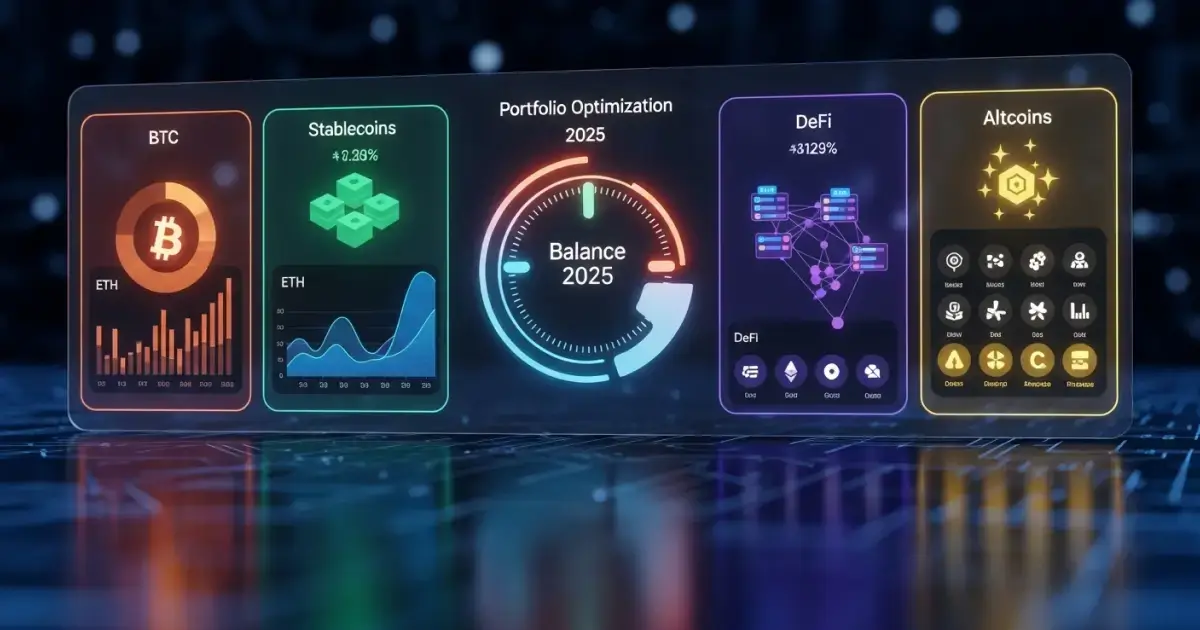
Have you ever looked at your collection of digital assets and wondered, “Is this really the best it can be?” You’re not alone. Most crypto investors assemble a few tokens they believe in, only to watch the market’s wild swings turn their careful picks into a source of anxiety. But what if you could transform that anxiety into confidence? What if your crypto portfolio wasn’t just a random assortment of coins, but a finely-tuned engine built for long-term growth?
The truth is, the difference between sporadic gains and sustained success isn’t luck – it’s strategy. Optimizing your crypto portfolio is a continuous process of strategic allocation, vigilant management, and informed rebalancing, designed to maximize returns while consciously managing risk. It’s about being the architect of your financial future, not a passenger on a rollercoaster.
[ez-toc]
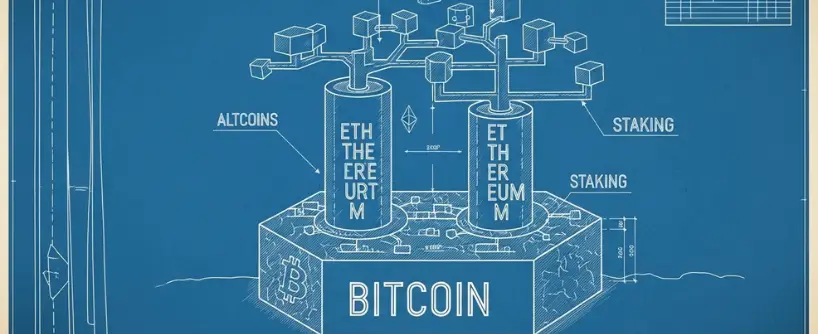
Before we dive into optimization, let’s lay the foundation. Think of your crypto portfolio not just as a list of coins, but as a detailed map of your journey in the digital economy. It is the complete collection of your cryptocurrency investments, from the big names like Bitcoin (often called digital gold) to the smallest altcoins, and even your involvement in DeFi protocols.
Every asset, every token, and every staking reward contributes to your portfolio’s overall value and performance. Understanding this is the first step toward true crypto portfolio management. It’s the difference between having a pile of bricks and having a blueprint for a castle.

Building a robust portfolio is the most critical step. A shaky foundation will crumble under market pressure. Here’s how the pros do it.
This is the “why” behind your build. Are you saving for a distant future, generating passive income, or aiming for aggressive growth? Your financial goals dictate everything.
Next, be brutally honest about your risk tolerance. Use risk questionnaires, stress tests, and scenario planning to quantify whether you are conservative, moderate, or aggressive. Does a 20% dip in a week make you panic-sell or see a buying opportunity? Your answers will determine the materials you build with.
This is where your investment strategy comes to life. Asset allocation is the process of dividing your investment capital among different asset classes within the crypto world. The goal? Diversification. Don’t put all your eggs in one basket.
A common strategy is to model allocation after the market, but adjusted for your risk appetite:
This is just one example. Some may allocate a portion to staking or DeFi yields, treating them as the fixed-income component of their crypto portfolio. Diversifying beyond crypto, into gold or ETFs, can further stabilize returns.
Your assets need a secure home. This means understanding the difference between holding coins in wallets and exchanges. For long-term holdings, self-custody solutions (like a hardware wallet or a non-custodial option like Trust Wallet) are often recommended for maximum security.
Exchanges are great for trading, but “not your keys, not your coins” remains a fundamental mantra. Always do your own research (DYOR) on the security and reputation of any platform you use.
Recommended tools include hardware wallets like Ledger or Trezor, and software options like Trust Wallet. For portfolio tracking, apps such as CoinStats, CoinLedger, and CoinTracking provide real-time performance, analytics, price alerts, and even crypto tax reports.
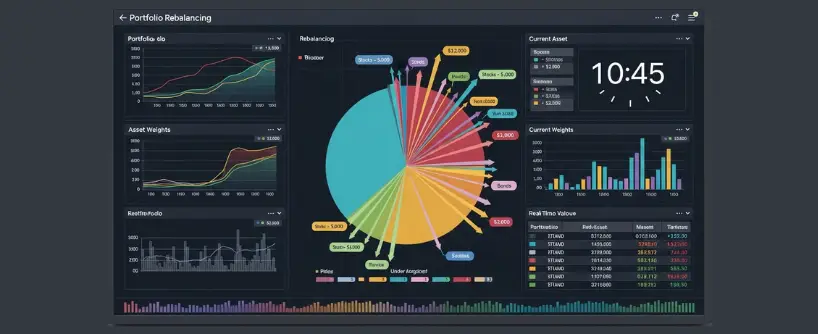
Once your portfolio is built, the real work begins. Optimization is an active, ongoing process.
You cannot manage what you cannot measure. A crypto portfolio tracker is your mission control center. By connecting APIs for read-only access to your exchange accounts and other wallets, these tools aggregate all your holdings into one dashboard, giving you a bird’s-eye view of your entire financial landscape.
The best crypto portfolio tracker apps offer:
Using a tracker is non-negotiable for making informed decisions. It turns overwhelming data into actionable intelligence.
The cryptocurrency market is dynamic. What started as a 10% allocation to a small altcoin might balloon to 30% of your entire portfolio after a bull run. This unintentionally exposes you to more risk than you initially planned.
Rebalancing is the process of buying and selling assets to return to your target allocation. It enforces a discipline of “buying low and selling high.” If one asset class has outperformed, you take some profits and reinvest them into the underperforming areas. This is a core tenet of disciplined crypto portfolio management.
As you mature in your crypto journey, you can explore sophisticated tactics:

The most advanced algorithm can’t compensate for poor psychology. The market is driven by fear and greed, and the most common pitfall is making emotional decisions.
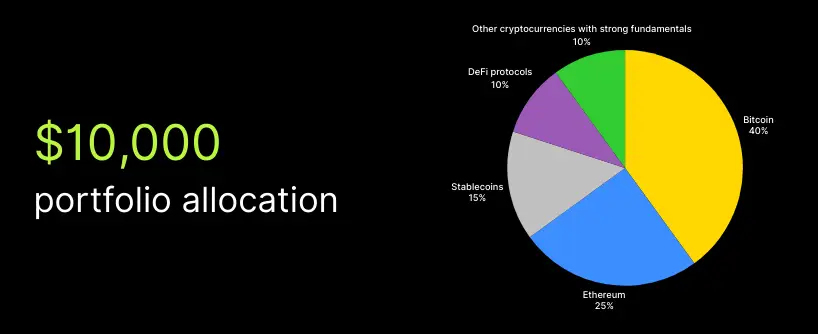
To have a real-life example, imagine an investor with $10,000. The standard and safe allocation will look like this:
This mix strikes a balance between growth potential and risk tolerance, while leaving room for rebalancing as market trends shift. By integrating traditional assets or staking yields, the portfolio becomes even more resilient.
Optimizing your crypto portfolio is not a one-time task; it’s a craft. It begins with a solid foundation based on your financial goals, is constructed with deliberate asset allocation, and is refined through vigilant management using tools like a crypto portfolio tracker.
Having a deep understanding of these strategies, you cease to be a mere spectator. You become the architect, the crypto portfolio manager of your own destiny. You make informed decisions based on data, not hype. You build not just wealth, but confidence and financial freedom.
What are crypto assets, and why are they important?
Crypto assets are digital currencies and blockchain-based tokens. They form the core of a cryptocurrency portfolio and must be managed carefully to optimize returns and reduce risk.
How can a crypto portfolio manager help?
A crypto portfolio manager, like the platform Bitunix, helps track digital assets, analyze portfolio performance, and implement a disciplined crypto investment strategy for smarter financial decisions.
Why diversify across asset classes?
Using different asset classes – Bitcoin, altcoins, stablecoins, or exchange-traded funds (ETFs) – reduces risk while maintaining growth potential. Diversification is key in volatile crypto markets.
What is an exit strategy for digital currency investments?
An exit strategy defines profit-taking and stop-loss targets for each asset. Many investors set thresholds in advance to avoid emotional decisions and protect their portfolio’s performance.
How can I track my cryptocurrency portfolio efficiently?
Platforms like Bitunix, integrated with CoinStats, allow investors to monitor all crypto assets in one place, receive alerts, and analyze portfolio performance in real time.
Why is continuous learning important for crypto investors?
The crypto market changes rapidly. Staying informed about digital assets, trends, and regulations helps investors optimize their cryptocurrency portfolio and make confident financial decisions.
Bitunix is one of the world’s fastest growing professional derivatives exchanges, trusted by over 3 million users across more than one hundred countries. Ranked among the top exchanges on major data aggregators, Bitunix processes billions in daily volume and offers a comprehensive suite of products including perpetual futures with high leverage, spot markets, and copy trading. Users can trade bitcoin and other major cryptocurrencies on the platform, taking advantage of advanced trading features. Known for its Ultra K line trading experience and responsive support, Bitunix provides a secure, transparent, and rewarding environment for both professional and everyday traders. Bitunix Academy adds structured lessons so you can build skills while you trade.
Bitunix Global Accounts
X | Telegram Announcements | Telegram Global | CoinMarketCap | Instagram | Facebook | LinkedIn | Reddit | Medium
Disclaimer: Trading digital assets involves risk and may result in the loss of capital. Always do your own research. Terms, conditions, and regional restrictions may apply.