Best Fiat to Crypto Exchange in 2026: How to Buy Crypto With Local Currency
Compare Bitunix, BingX and BloFin for fiat-to-crypto buying in 2026, including local currency options, payment methods, fees, safety and trading access.


After a period of consolidation, the entire market, from retail traders to macro fund managers, is watching Bitcoin and waiting for the next leg up. The question is not if a new all-time high will come, but when.
The BTC thesis has matured. Since Satoshi Nakamoto published the Bitcoin white paper in 2008 and launched the network in 2009, what began as a niche peer-to-peer cash experiment has grown into a multi-trillion-dollar asset, trading 24/7 and increasingly appearing in institutional portfolios.
Within the crypto ecosystem, Bitcoin remains the benchmark for both price and trust; outside of it, it is gaining ground as a programmable store of value and a diversification asset that can be uncorrelated in certain market regimes. Regulators, market makers, hedge funds, and fintechs already treat it as part of the macro conversation, whether for its fixed supply or the transparency of its issuance and on-chain history.
This article offers a Bitcoin price prediction 2026-2030, combining an analysis of the four-year halving cycle and its effects on supply dynamics; institutional flows via regulated vehicles and their influence on liquidity and price discovery; and the broader macro environment (rates, inflation, and risk appetite) that shapes the major bull and correction legs.
Bitcoin is a decentralized digital currency that operates without a central bank or single administrator. Transactions occur peer-to-peer (P2P) on an open network, are validated by miners, and are recorded immutably on a public blockchain.
Core Properties
Primary use: it was created as P2P electronic cash, but has evolved into a digital store of value, digital gold, thanks to its programmed scarcity, global portability, and borderless settlement. This narrative of protection against monetary debasement and capital controls explains much of the long-term adoption, while the surrounding infrastructure (exchanges, custody, derivatives) has expanded its role as collateral and a tool for strategic allocation.
The halving is a programmed event that cuts in half the reward paid to miners for each validated block, roughly every four years. In practical terms, it reduces the issuance of new BTC, creating a predictable and transparent supply shock.
Because mining costs and supply dynamics change instantly, the market usually takes months to fully reprice the asset. Historically, major bull runs have unfolded after each halving, as the new level of scarcity kicks in and demand meets a thinner flow of newly issued coins.
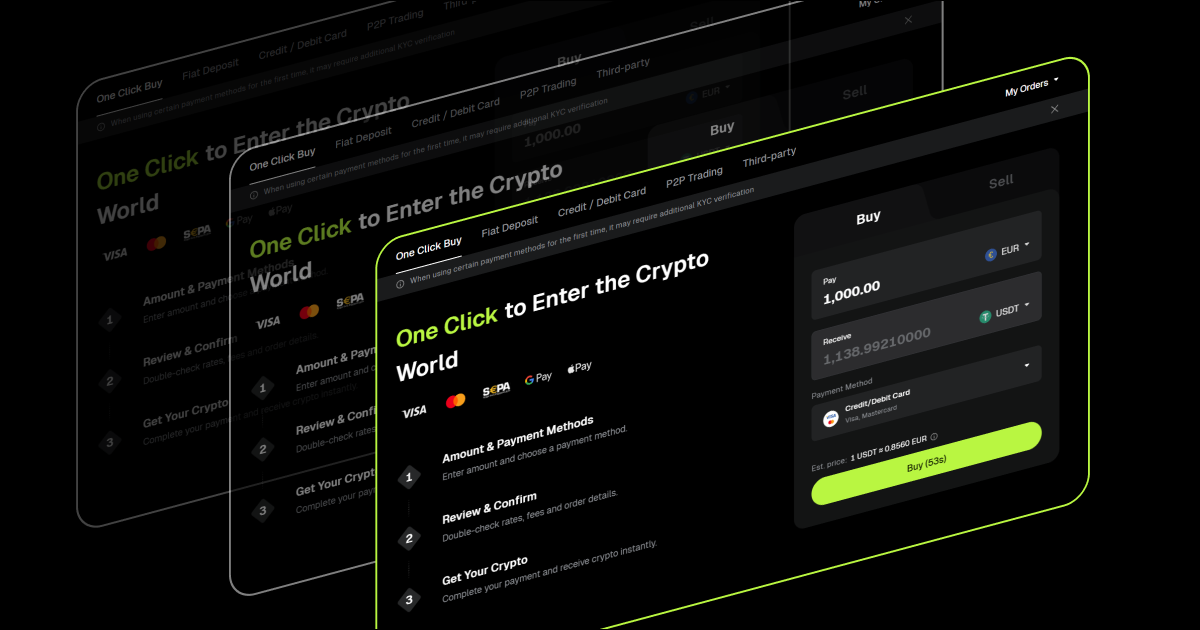
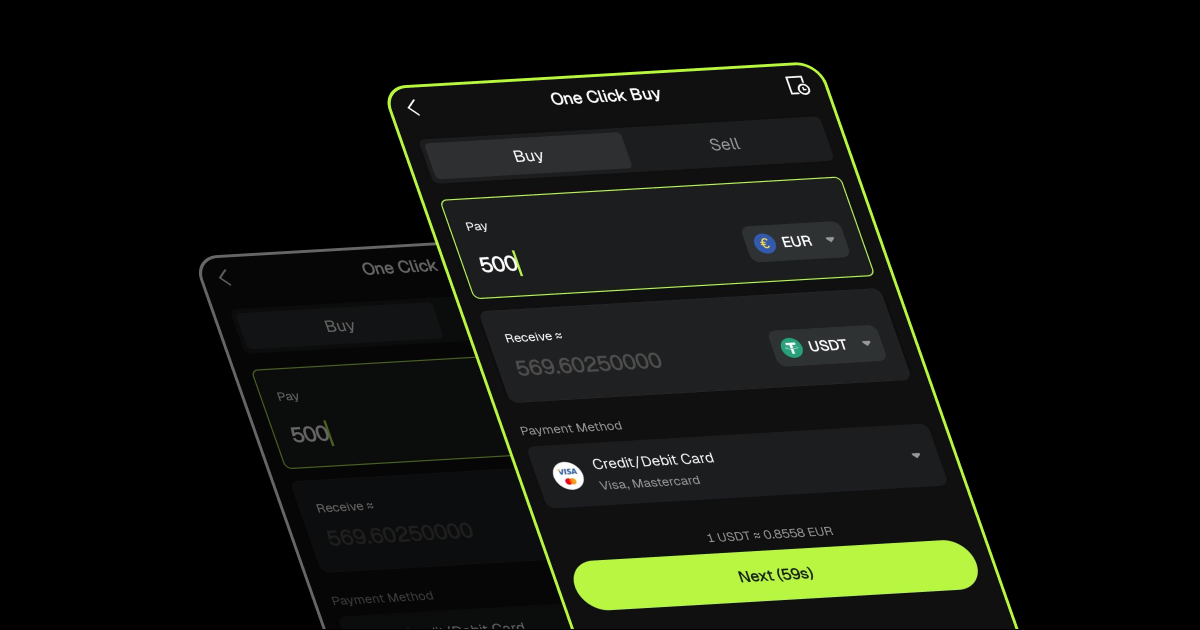
Following the 2012, 2016, and 2020 halvings, BTC posted strong upside legs over the next 12-18 months, punctuated by deep corrections. This pattern helped cement the idea of the four-year cycle. In parallel, access channels broaden every cycle. From cards and bank rails to P2P crypto exchange options for local payment methods.
Typically, the year following a halving concentrates the most parabolic moves of the cycle, when the new, reduced issuance meets pent-up demand. The fourth halving took place on April 20, 2024, cutting the block reward from 6.25 to 3.125 BTC per block, a programmed supply shock.
In 2024–2025, the big differentiator was the approval of spot Bitcoin ETFs in the United States on January 10, 2024, which institutionalized the access route and created a recurring, regulated buyer of physical BTC. On that date, the SEC confirmed the listing and trading of several spot bitcoin ETPs.
Independent reports from the Congressional Research Service (CRS) note that 11 ETPs were approved at once. Flows in 2025 show how this channel now weighs on price action. There were record weeks with multi-billion inflows into global ETFs (for example, $5.95 billion in the week ending October 4, 2025) and, in contrast, weeks of outflows when the Fed’s tone turned more hawkish, with $360 million in net outflows and $946 million in BTC ETF redemptions in a single week in November.
As a result, ETF-driven liquidity has become a central variable in BTC price discovery. Key on-chain metrics include:
Previous cycles point to a cyclical top followed by a correction in the -30% to -60% range and a consolidation phase lasting several quarters before the next structural leg higher into the following halving. The difference in 2026-2027 is the presence of spot ETFs, which can cushion drawdowns through systematic buying but can also reinforce cyclicality when coordinated redemptions hit during risk-off weeks.
Weekly fund flows in 2025 illustrate how quickly the Fed’s tone is transmitted to this channel. But broader global macro factors also matter, such as inflation and interest rates, the strength of the dollar and overall liquidity, and, of course, regulation and ETF developments outside the U.S. Elevated inflation pressures or persistently high rates, for example, tend to suppress appetite for volatile assets.
Gradual rate cuts, on the other hand, reignite demand for growth and liquidity. A strong dollar and quantitative tightening usually weigh on crypto. A weaker dollar and expanding liquidity help reprice risk. Finally, additional approvals and launches in Europe and Asia can diversify the buyer base and smooth out purely U.S.-driven ETF cycles.
Taking these factors into account, an average price of $85,000 for 2026 assumes some degree of rate pivot and better liquidity, while still allowing for the possibility of a persistently tight macro backdrop. For 2027, a recovery within the consolidation range is likely, opening the door for a high above $130,000 as the market starts to front-run the next halving (projected for 2028) and on-chain activity heats up again.
The outlook for 2028-2030 combines institutional adoption (spot ETFs as a recurring buying channel), corporate treasuries treating BTC as a store of value (the MicroStrategy case, with hundreds of thousands of BTC on its balance sheet), and the gradual possibility of sovereign use by nation-states (with El Salvador still the most emblematic example).
These vectors expand the structural demand base and tend to reduce free float, making price discovery more sensitive to liquidity shocks. The next halving is programmed by block height, not by date, and is expected at block 1,050,000, when the block reward will drop from 3.125 BTC to 1.5625 BTC.
Estimates place this cut in March-April 2028 (the exact window depends on block times). As in prior cycles, the market usually prices in the halving ahead of time, with an accumulation phase in the preceding quarters and a repricing phase over the following 12-18 months, assuming demand holds.
If the cycle reignites around the halving window, 2028 could see an average price near $140,000, supported by lower issuance and ongoing institutional flows. In 2029, the price discovery phase, assuming global liquidity leans toward risk assets, could deliver an average of around $220,000. A potential normalization after new peaks would then suggest an average of about $200,000 in 2030, with a possible high above $260,000.
The halving is the predictable engine of Bitcoin’s boom-and-bust cycle. Issuance drops 50% every 210,000 blocks, squeezing new supply and improving the stock-to-flow ratio. Price reactions are not always immediate, but post-halving repricing has been a secular pattern for the asset.
The approval of spot ETFs in 2024 also created a regulated demand pipeline. Weekly fund flows started to explain rallies and pullbacks, with some weeks of strong inflows and others with billion-dollar outflows. In 2025, there were episodes of more than $900 million in net outflows in a single week, underscoring how central this channel has become to price discovery.
On top of that, inflation and interest rates drive risk appetite. Cooling CPI and rate cuts tend to lower the cost of capital and benefit risk assets. Sticky inflation and quantitative tightening compress multiples. Accounting and prudential rules matter as well.
FASB’s ASU 2023-08 enabled fair value measurement for certain crypto assets on U.S. corporate balance sheets, removing part of the friction created by impairment-only accounting. This step should make it easier for treasuries to hold BTC. In parallel, securities rulemaking and ETF launches outside the U.S. will shape the global buyer base.
To buy Bitcoin and build long-term exposure, use spot trading on the Bitunix crypto exchange:
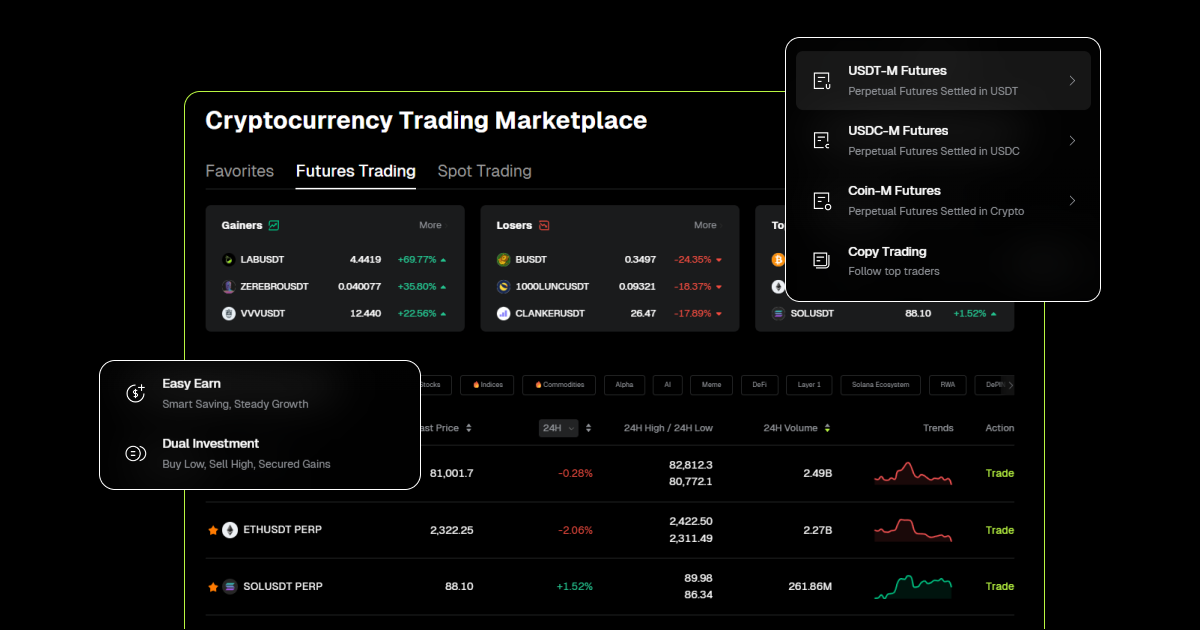
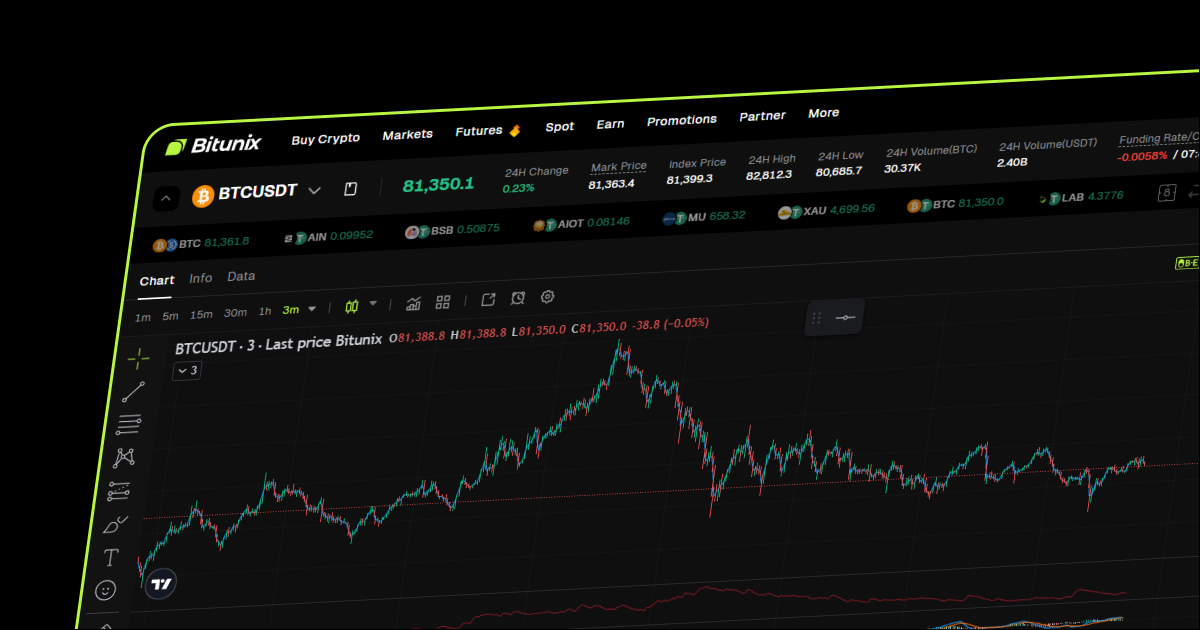
If your goal is to trade short-term moves, BTCUSDT perpetual futures offer leverage, risk management via stop-loss and take-profit, and metrics such as the funding rate. Bitunix is a crypto futures trading platform with competitive liquidity, ideal for traders seeking efficiency in day trading and hedging.
Trade the king of crypto. Whether you are a long-term investor or a short-term trader, Bitunix offers a powerful and secure platform to trade Bitcoin. Sign up today.
Bitcoin is a high-volume asset, so order book depth and a stable matching engine make a real difference. Bitunix is built for this environment, with deep liquidity on BTC/USDT and related pairs, fast execution even during peak activity, and low-latency infrastructure that keeps market and limit orders running smoothly when volatility spikes.
For users who combine spot trading crypto and perpetual futures crypto, this translates into lower slippage, more consistent fills, and tighter control over risk and P&L. Security matches performance: in addition to audits and live proof-of-reserves, Bitunix maintains a dedicated Protection Fund, adding an extra layer of comfort for users, especially during stressed market cycles.
Looking ahead, our Bitcoin price prediction 2026-2030 suggests an arc that lines up with previous cycles: a post-halving rally in 2025, correction and consolidation in 2026-2027, and another repricing phase around the 2028 halving window, with room for fresh price discovery into 2029 before some normalization in 2030.
The projected ranges reflect programmed scarcity, institutional flows (spot ETFs, corporate treasuries), and macro conditions such as inflation, interest rates, and liquidity. None of this removes short-term volatility; it is part of BTC’s DNA. But the long-term vector remains anchored in code and scarcity.
Don’t just watch the next cycle from the sidelines. Be part of the Bitcoin revolution and start your journey on Bitunix today.
Can Bitcoin reach $200,000 or even $500,000?
It is possible in scenarios of abundant liquidity, strong net inflows into spot ETFs, and a sustained store-of-value narrative. Those levels would require a very favorable macro backdrop and continued institutional demand.
When is the next Bitcoin halving?
The halving is triggered by block height (roughly every 210,000 blocks). Current estimates point to March-April 2028, when the block reward will fall from 3.125 BTC to 1.5625 BTC per block.
Is it too late to invest in Bitcoin?
It depends on your time horizon and risk tolerance. BTC can go through deep drawdowns; staggered entries (DCA) and a long-term focus can help smooth out volatility.
How do the spot Bitcoin ETFs affect the price?
They create a regulated demand channel. Persistent inflows tend to support rallies, while outflows can intensify corrections. Today, ETF flows are one of the key variables in Bitcoin price discovery.
What is the Stock-to-Flow model?
It is a model that compares the existing stock to the new issuance (flow). Each halving improves Bitcoin’s S2F ratio, reinforcing the scarcity argument.
How does Bitcoin’s price relate to the broader economy?
Interest rates, inflation, and the strength of the dollar all shape risk appetite. Monetary easing and ample liquidity generally favor crypto, while tightening and high CPI readings tend to weigh on prices.
Is Bitcoin a good hedge against inflation?
Over the long term, its programmed scarcity and transparent supply support that thesis. In the short term, however, BTC can behave like a risk asset and correlate with equities.
What are the biggest risks to Bitcoin’s future?
Regulatory shocks, operational failures at major venues, social engineering attacks, and severe macro events such as liquidity crises.
How much of my portfolio should I allocate to Bitcoin?
There is no universal rule. Research and market practice often suggest around 1%-5% for more conservative profiles and higher allocations for aggressive investors. The right number depends on your goals, time horizon, and tolerance for volatility.
Where is the safest place to buy and trade Bitcoin?
Look for platforms with deep liquidity, a robust matching engine, live proof-of-reserves, and a Protection Fund, such as Bitunix. This crypto exchange also offers One Chart, 24/7 support, and both spot and futures markets, a full stack to navigate every cycle.
Bitunix is a global cryptocurrency derivatives exchange trusted by over 3 million users across more than 100 countries. The platform is committed to providing a transparent, compliant, and secure trading environment for every user. Bitunix offers a fast registration process and a user-friendly verification system supported by mandatory KYC to ensure safety and compliance. With global standards of protection through Proof of Reserves (POR) and the Bitunix Care Fund, Bitunix prioritizes user trust and fund security. The K-Line Ultra chart system delivers a seamless trading experience for both beginners and advanced traders, while leverage of up to 200x and deep liquidity make Bitunix one of the most dynamic platforms in the market.
Bitunix Global Accounts
X | Telegram Announcements | Telegram Global | CoinMarketCap | Instagram | Facebook | LinkedIn | Reddit | Medium
Disclaimer: Trading digital assets involves risk and may result in the loss of capital. Always do your own research. Terms, conditions, and regional restrictions may apply.