How AAPLUSDT Trading Works on Bitunix
Learn how to trade Apple stock on Bitunix with USDT, understand how AAPLUSDT works, and explore volatility, leverage, and risk management for beginners.

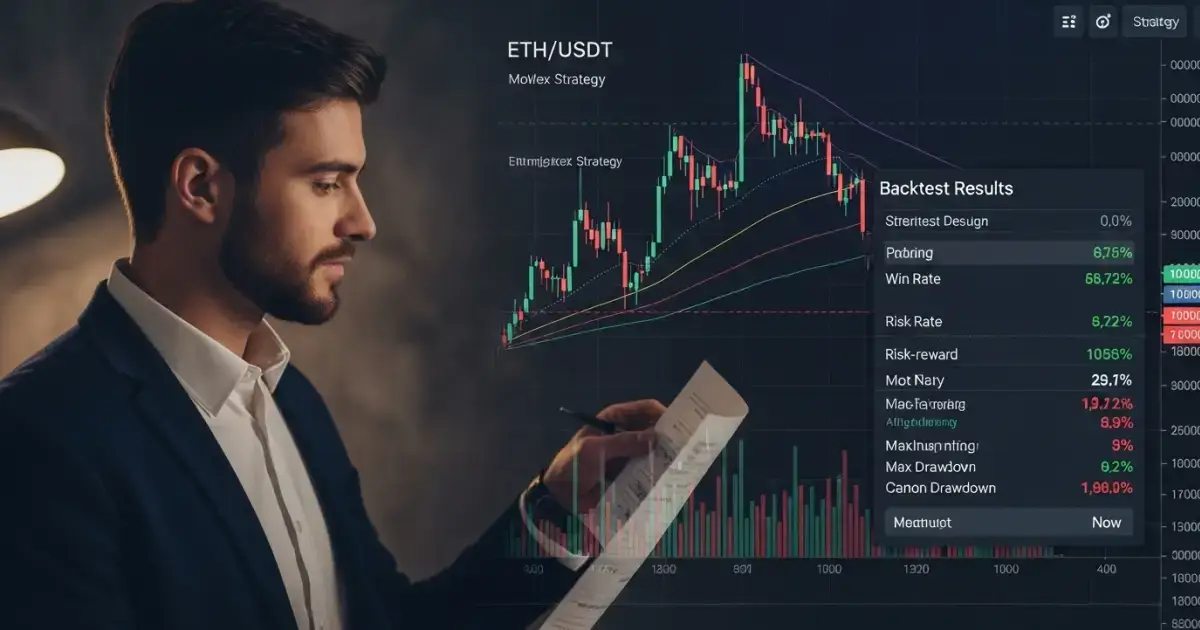
In the high-speed, data-driven world of futures trading, success doesn’t come from guessing — it comes from testing. If your strategy isn’t backed by performance data, it’s a gamble. And in 2025, Bitunix is giving traders an edge by offering the tools they need to backtest, optimize, and refine their futures setups before ever risking capital.
Whether you’re building a new system or upgrading an existing one, this guide will walk you through how to leverage Bitunix’s built-in tools, market data, and platform structure to sharpen your futures trading edge.
Let’s dive into the smarter way to approach futures trading.
[ez-toc]
Backtesting allows traders to simulate their strategies using historical market data. Instead of learning the hard way through live trades and real losses, you can test whether your setup actually works — in various conditions and over hundreds of trades.
With futures trading offering leverage as high as 125x on Bitunix, mistakes are magnified. A backtested strategy helps avoid reckless over-leverage, emotional trading, and inconsistent results.
More importantly, it allows you to:
In futures markets, speed without precision is dangerous. Backtesting adds that precision.
Before you touch any data or tools, you need a clear definition of your trading strategy. A vague setup like “buy the dip” won’t cut it. Instead, define specific rules for:
Bitunix offers live and historical contract data that traders can use to replicate these conditions with precision.
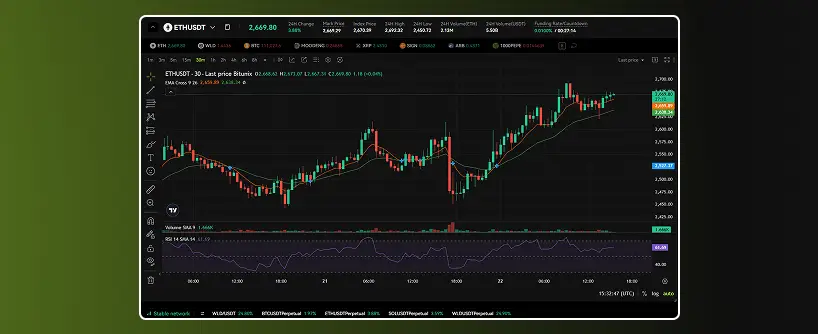
Bitunix allows you to access granular K-Line (candlestick) data directly from the trading interface. Here’s how to use it for strategy evaluation:
Once you’ve tested a strategy across 50–100 simulated or backtested trades, start optimizing. Here’s how:
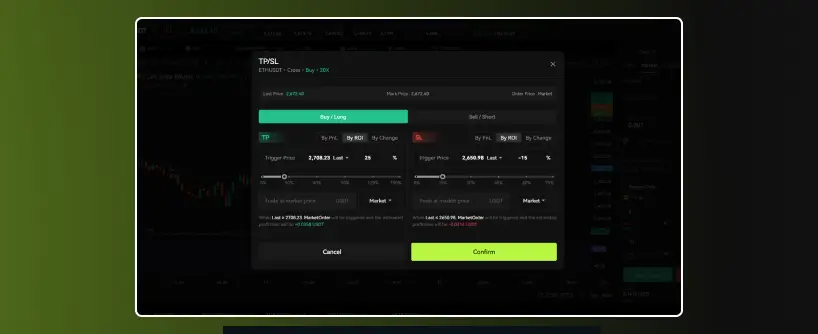
Bitunix allows precise SL/TP placement during order setup. By reviewing your trade history, you can:
Do you perform better at 3x, 5x, or 10x? Backtesting helps you find the leverage sweet spot that balances return and risk.
On Bitunix, you can adjust leverage before and during an open position — giving you flexibility that few exchanges offer.
Use your Bitunix trade logs to discover:
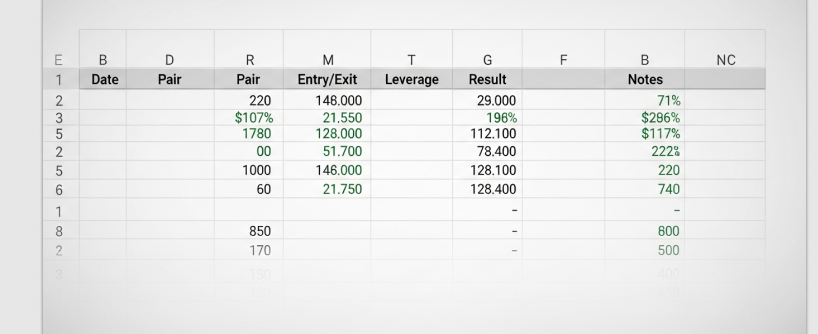
Pair your backtests with a dedicated journal (Google Sheets, Notion, or app-based). Include:
This journal will show you whether your strategy is stable over time or breaking down under volatility.
Here’s how Bitunix enhances the backtesting and optimization process:
Bitunix is one of the few platforms where beginners and pros can backtest and optimize from the same dashboard — no third-party tools are required.
Let’s say you want to test a breakout strategy on ETH/USDT.
System Setup:
Backtesting via Bitunix K-Line charts shows:
After running this, you adjust SL to 1.5% and remove trades during high funding spikes. Result? New ROI over 30-day period improves to +16.5%.
That’s the power of data-driven optimization.
No strategy is flawless — not even in 2025. The difference between amateur and pro futures traders is iteration. Bitunix gives you the tools to test, refine, and retest your approach — before big losses teach the same lessons.
In futures trading, the edge isn’t only in your setup — it’s in how often you improve it.
Backtest hard. Optimize often. Trade smart.