How AAPLUSDT Trading Works on Bitunix
Learn how to trade Apple stock on Bitunix with USDT, understand how AAPLUSDT works, and explore volatility, leverage, and risk management for beginners.

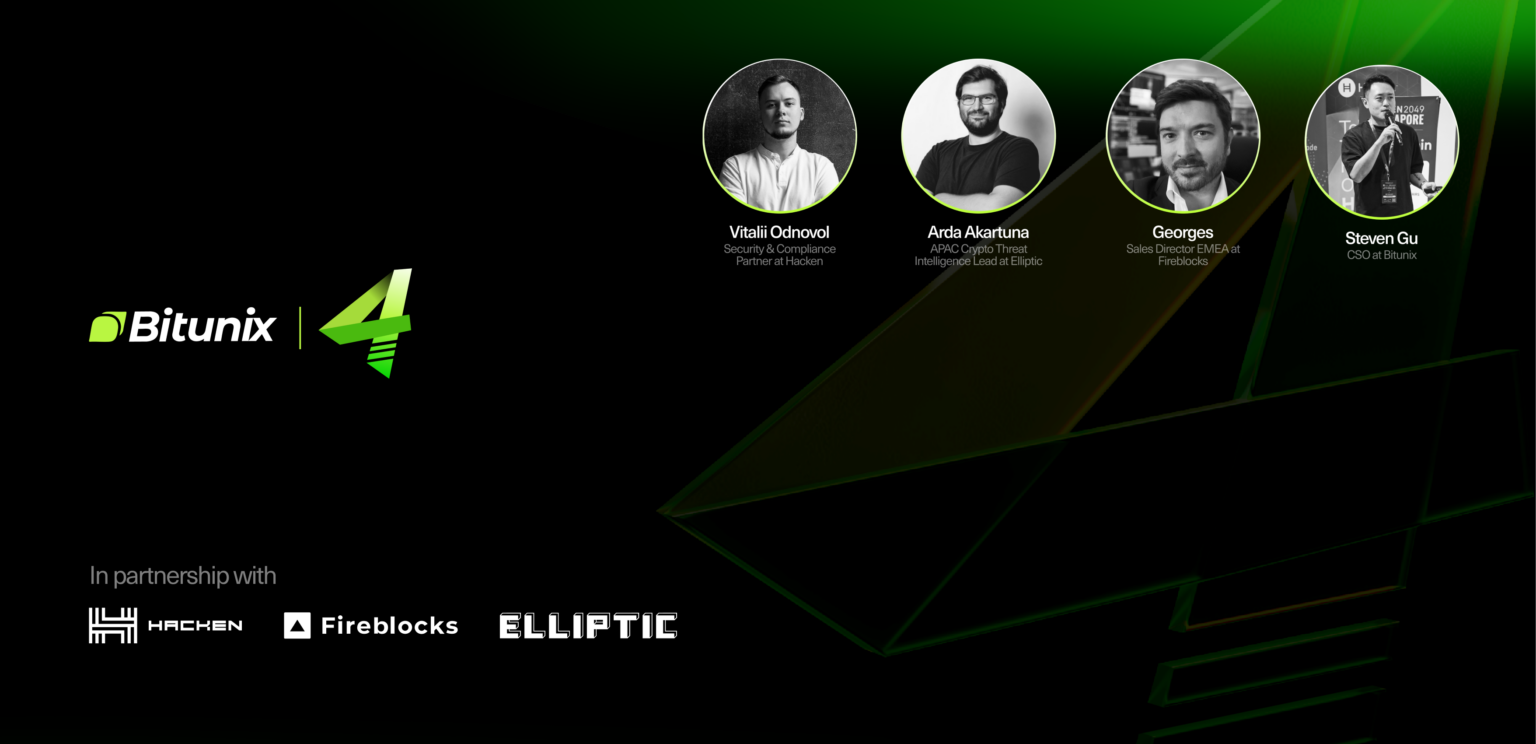
Crypto markets move fast, and they do not slow down for anyone. Liquidity can look deep one moment and feel thin the next, especially when volatility spikes and traders rush to reposition. In a recent community AMA hosted as part of a 4th anniversary celebration, Bitunix brought together security and infrastructure partners to answer a practical question many traders care about:
Why does better liquidity lead to better trading, and what actually powers professional execution in crypto?
The discussion featured speakers from Hacken, Elliptic, Fireblocks, and Bitunix. Together, they unpacked how security engineering, real-time risk monitoring, and institutional-grade custody infrastructure shape what traders experience during high-volume market moves.
[ez-toc]
The AMA was hosted on Bitunix Spaces as part of the platform’s 4th anniversary activities. The session also included a community giveaway and a campaign announcement tied to an “Ultra Forward” anniversary campaign.
Speakers included:
In crypto trading, liquidity is not a buzzword. It directly impacts:
The AMA framed liquidity as the starting point, but the speakers emphasized that liquidity alone does not guarantee a professional trading experience. In practice, liquidity must be supported by system performance, security controls, and reliable asset movement.
Vitali from Hacken offered a simple analogy: liquidity is like oil in an engine. When liquidity is abundant, markets function more smoothly. Prices are more stable, fills are easier, and execution quality improves.
But Vitali emphasized a critical point: liquidity alone is not enough. What powers real trading performance during stress is system resilience.
He explained that exchanges can have deep order books, but if the website or app slows down or freezes during a selloff, traders cannot access that liquidity when they need it most. In those moments, the issue is not only user experience. It becomes execution risk.
Key points Vitali raised:
Bottom line from Hacken’s perspective: security is what makes liquidity usable. If the platform cannot stay stable and responsive during volatility, execution becomes unpredictable, and the trading experience breaks down.
Arda Akar Tuna from Elliptic focused on what happens before and after a trade, specifically deposits and withdrawals. In his view, real-time transaction monitoring is essential to maintaining a stable trading environment during market spikes.
He explained that transaction monitoring helps exchanges assess, in real time, whether funds are connected to illicit actors. That includes:
He gave two practical examples:
Arda also highlighted how scams are evolving, noting the rise of:
His advice for traders was straightforward and practical: pause and double-check. He noted that even a short delay can prevent major losses, especially when social engineering is involved.
From an exchange operations standpoint, his core message was that risk monitoring does not just protect individual users. It also supports market integrity, reduces operational disruption, and helps keep trading conditions stable when markets become chaotic.
George from Fireblocks approached execution from an institutional infrastructure perspective. He highlighted a defining feature of crypto markets: 24/7 trading with no downtime.
In traditional markets, traders rely on scheduled settlement windows, operational cutoffs, and market structure guardrails. In crypto, volatility is continuous, and capital needs to move in real time.
George argued that the biggest execution failures often do not happen where most people expect. They rarely originate in the matching engine. Instead, they often happen in:
His core point was simple: execution depends on infrastructure.
If custody and asset movement are weak:
He explained Fireblocks’ role as providing unified custody infrastructure, governance automation, and secure settlement rails so institutions can move assets predictably and securely at scale.
For professional traders, especially those managing larger size, the quality of execution is tied to the ability to rebalance, collateralize, and settle positions without operational friction.
Stephen, Chief Strategy Officer at Bitunix, framed the answer around a single word: trust.
Not marketing trust, and not emotional trust. He called it technical trust, meaning the reliability of systems, controls, and transparency that professionals need to trade without constant worry about platform risk.
During the AMA, Stephen stated that Bitunix has integrated multiple components into core infrastructure, including:
He also stated that Bitunix maintains:
He described a “flywheel” effect:
He also referenced product tooling like Ultra K-Line, positioning it as part of an experience aimed at transparency and professional execution.
The takeaway for active traders is clear: when platform reliability, monitoring, and custody are treated as first-class infrastructure, it supports more consistent execution in both calm and volatile markets.
The AMA closed with a concise framework:
Across all speakers, the consistent message was that professional-grade crypto trading is not powered by a single feature. It is built from multiple layers working together, including platform resilience, security audits, real-time risk monitoring, and secure asset movement.
Bitunix is a global cryptocurrency derivatives exchange trusted by over 3 million users across more than 100 countries. At Bitunix, we are committed to providing a transparent, compliant, and secure trading environment for every user. Our platform features a fast registration process and a user-friendly verification system supported by mandatory KYC to ensure safety and compliance. With global standards of protection through Proof of Reserves (POR) and the Bitunix Care Fund, we prioritize user trust and fund security. The K-Line Ultra chart system delivers a seamless trading experience for both beginners and advanced traders, while leverage of up to 200x and deep liquidity make Bitunix one of the most dynamic platforms in the market.
Bitunix Global Accounts
X | Telegram Announcements | Telegram Global | CoinMarketCap | Instagram | Facebook | LinkedIn | Reddit | Medium