How to Use SEPA on Bitunix to Buy Crypto
Learn how to use One-Click Buy on Bitunix with SEPA to buy crypto through a simple, beginner-friendly payment flow.


The crypto market is driven not only by charts and economic data but also by sentiment. In a market where volatility is constant, trader psychology and collective mood can move prices just as powerfully as fundamentals. By 2025, sentiment analysis has become a crucial skill for both short-term traders and long-term investors. Sentiment analysis tools are now present across cryptocurrency markets, leveraging advances in blockchain technology to provide real-time, transparent insights into market conditions.
This article explores the importance of crypto market sentiment, explains six of the most widely used tools for analyzing it, and shows how traders can combine sentiment with technical and fundamental research. Understanding market trends is essential for interpreting crypto market sentiment. By learning to track the emotional temperature of the market, you can anticipate moves, manage risk, and identify opportunities that others overlook.
[ez-toc]

Unlike stocks, where earnings reports and regulatory filings shape value, crypto assets often move on emotion. A single tweet, a viral meme, or a surge in on-chain activity can ignite rallies or crashes. Sentiment is amplified in crypto because:
Ignoring sentiment in crypto is like ignoring wind direction when sailing. You may have a good vessel, but you risk being blown off course.

Social media is the heartbeat of crypto sentiment. Traders monitor platforms like Twitter (X), Reddit, and TikTok for mentions of coins, hashtags, and influencers. Algorithms are used to scan social media posts for sentiment related to specific tokens, categorizing messages as bullish, bearish, or neutral. Tools that track word frequency, trending topics, and engagement levels provide a snapshot of hype or panic. User engagement with sentiment analysis platforms allows users to view data, create watchlists, and analyze sentiment indicators, helping them monitor and interpret social media sentiment for individual tokens.
Caution: social media sentiment can be manipulated. Whales and coordinated groups often spread narratives to move prices.

Fear and greed indexes condense multiple data points into a single score, serving as a key metric for gauging market sentiment. The greed index, in particular, assesses investor emotion by analyzing components such as volatility levels, social media sentiment, search trends, and volume metrics. These scores reflect market mood: fear suggests potential buying opportunities, while extreme greed often signals a top.
In 2025, improved indexes include on-chain flows and derivatives data for higher accuracy.
However, relying solely on one metric like the greed index for sentiment analysis can be misleading. It is important to combine multiple metrics for a more comprehensive view of market conditions.

On-chain data reveals what is happening at the blockchain level. Analysts track wallet activity, exchange inflows and outflows, whale transfers, and key on-chain metrics. On-chain metrics such as active addresses and transactions are used to determine market sentiment, as they provide real-time insights into user engagement, adoption, and overall network health. Active addresses reflect participant activity, while transactions indicate the volume and frequency of blockchain usage.
On-chain sentiment is more reliable than social chatter because it reflects real money movement.
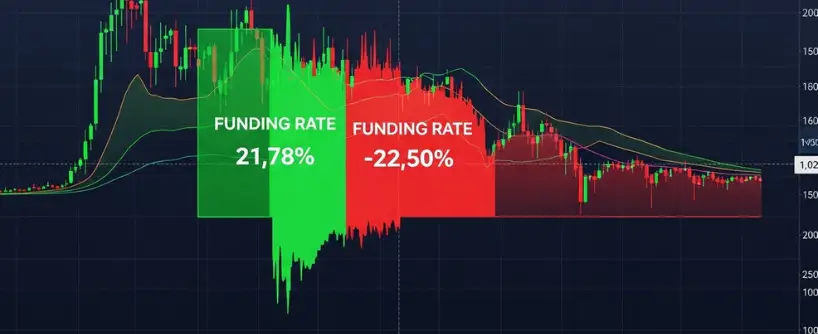
In derivatives markets, funding rates and open interest reflect trader sentiment. Funding rates also indicate the movement of funds between long and short positions, showing how capital shifts in response to market sentiment.
These indicators show how optimistic or fearful leveraged traders are, which can trigger large moves.
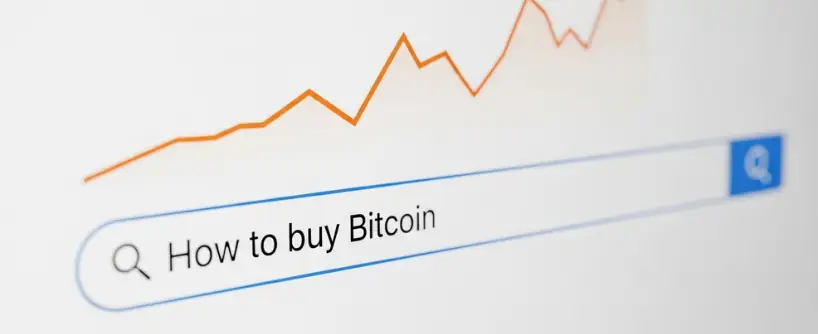
Search trends reflect retail curiosity. Spikes in searches for “how to buy Bitcoin” or “next altcoin to pump” often signal rising retail enthusiasm. Conversely, falling search interest may signal declining excitement.
Search trends are not precise timing tools, but they capture broad public mood and can complement technical analysis.

News headlines have a direct impact on sentiment. Regulatory updates, ETF approvals, exchange hacks, or new partnerships can change sentiment overnight.
Traders monitor not only news itself but also the tone and frequency. Sustained positive coverage can create bullish sentiment, while constant negative news drives fear.
No single sentiment tool is foolproof. The best approach is to combine them, as this strategy is supported by the need for valuable insights that can only be gained from multiple sources. For example:
By using multiple tools together, traders improve accuracy and reduce the risk of false signals. Discover new sentiment indicators and analysis methods to gain valuable insights and make more informed decisions in the market.
Market sentiment not only drives prices but also influences individual psychology. Traders exposed to constant hype or fear often mirror the crowd, making poor decisions. Certain sentiment indicators can lead traders toward specific market behaviors by providing early signals of shifts in market psychology. Discipline requires you to interpret sentiment objectively, rather than being controlled by it.
Strong traders use sentiment as a guide but rely on predefined strategies for entries and exits. This prevents herd mentality from sabotaging performance.
A surge in memes and celebrity tweets fueled massive gains. Sentiment indicators showed extreme greed, and traders who recognized this prepared for the inevitable correction. After the rally, Dogecoin experienced a significant drop in price as sentiment cooled.
Positive headlines about ETF approvals shifted sentiment sharply bullish, driving Bitcoin higher even before technical indicators confirmed the move.
Spikes in search data and Twitter mentions led to rapid pumps. Traders who combined sentiment tools with risk management captured profits, while those who chased blindly often lost money when sentiment cooled, as selling pressure increased and many rushed to sell their holdings.
Sentiment does not replace technical or fundamental analysis, but it enhances them. By knowing where the crowd stands, you can better manage volatility. Sentiment analysis can also support more strategic investing decisions in the crypto market by providing insights that help investors make informed choices and diversify their portfolios.
Sentiment is about context. Used well, it helps traders stay one step ahead.
Traders who want to deepen their understanding of sentiment can use structured resources like Bitunix Academy. This platform offers guides on combining psychology, sentiment tools, and trading rules into cohesive strategies. By learning how to track social media data, analyze funding rates, and interpret on-chain flows, traders can transform raw sentiment into actionable insights.
Bitunix Academy emphasizes emotional control as well as data, helping traders avoid overreacting to hype or fear. Search the web for Bitunix Academy to explore educational material that connects sentiment analysis with practical trading strategies.
What is crypto market sentiment?
It is the overall mood of traders and investors, influenced by social media, news, on-chain data, and other indicators.
What tools are best for analyzing sentiment in 2025?
Social media monitoring, fear and greed indexes, on-chain analytics, funding rates, search data, and media analysis all offer valuable insight into market sentiment and behavior.
Can sentiment predict price movements?
Not perfectly, but extreme sentiment often signals turning points. Greed often precedes corrections, while fear often signals bottoms. Sentiment analysis can also provide insight into price trends by helping identify shifts in market direction.
Why combine multiple sentiment tools?
Because no single tool is reliable alone. Combining several reduces false signals and increases confidence.
Does Bitunix offer sentiment education?
Yes. Bitunix Academy provides structured lessons on sentiment, psychology, and market discipline.
Crypto market sentiment in 2025 is a powerful driver of price action. Traders who monitor sentiment gain a clearer view of when crowds are euphoric, fearful, or uncertain. Various methods—such as social media analysis, on-chain analytics, and technical indicators—combine multiple factors like volatility, trading volume, and derivatives data to provide a comprehensive picture of sentiment. These analytical approaches can be applied to any coin in the crypto market, helping you understand investor behavior across different assets. By using six key tools—social media, fear and greed indexes, on-chain analytics, funding rates, search data, and news flow—you can anticipate shifts before they appear on charts.
Discipline remains vital. Sentiment can guide, but your trading plan and risk rules must control. Platforms like Bitunix provide the tools, and Bitunix Academy offers the education, to help traders harness sentiment without falling victim to it.
In a market where emotions run high, understanding sentiment is the edge that keeps you rational when others act irrationally.
Bitunix is one of the world’s fastest growing professional derivatives exchanges, trusted by over 3 million users across more than one hundred countries. Ranked among the top exchanges on major data aggregators, Bitunix processes billions in daily volume and offers a comprehensive suite of products including perpetual futures with high leverage, spot markets, and copy trading. Users can trade bitcoin and other major cryptocurrencies on the platform, taking advantage of advanced trading features. Known for its Ultra K line trading experience and responsive support, Bitunix provides a secure, transparent, and rewarding environment for both professional and everyday traders. Bitunix Academy adds structured lessons so you can build skills while you trade.
Bitunix Global Accounts
X | Telegram Announcements | Telegram Global | CoinMarketCap | Instagram | Facebook | LinkedIn | Reddit | Medium
Disclaimer: Trading digital assets involves risk and may result in the loss of capital. Always do your own research. Terms, conditions, and regional restrictions may apply.