
Bitunix Launches Coin-M Perpetual Futures for Crypto Traders | Page 11 | Bitunix

Trade Smarter with Bitunix Coin-M Perpetual Futures

Bitunix has expanded its derivatives offering with the introduction of Coin-M Perpetual Futures, a new product category that allows traders to use cryptocurrencies such as Bitcoin (BTC), Ethereum (ETH), and other supported coins as both margin and settlement. Coin-M contracts are designed for traders who prefer to manage their entire exposure in crypto rather than […]
Seamless ETH to Polygon Bridge in 2025 for Beginners and Pros | Page 11 | Bitunix

How to Bridge ETH to Polygon: Step-by-Step Guide

Whether you want lower fees, faster confirmations, or access to Polygon-native apps and yields, moving funds from Ethereum to Polygon is a smart first step. In this guide you will learn how to bridge ETH using the official Polygon PoS Bridge and trusted third-party bridges. You will also see how to get your first MATIC […]
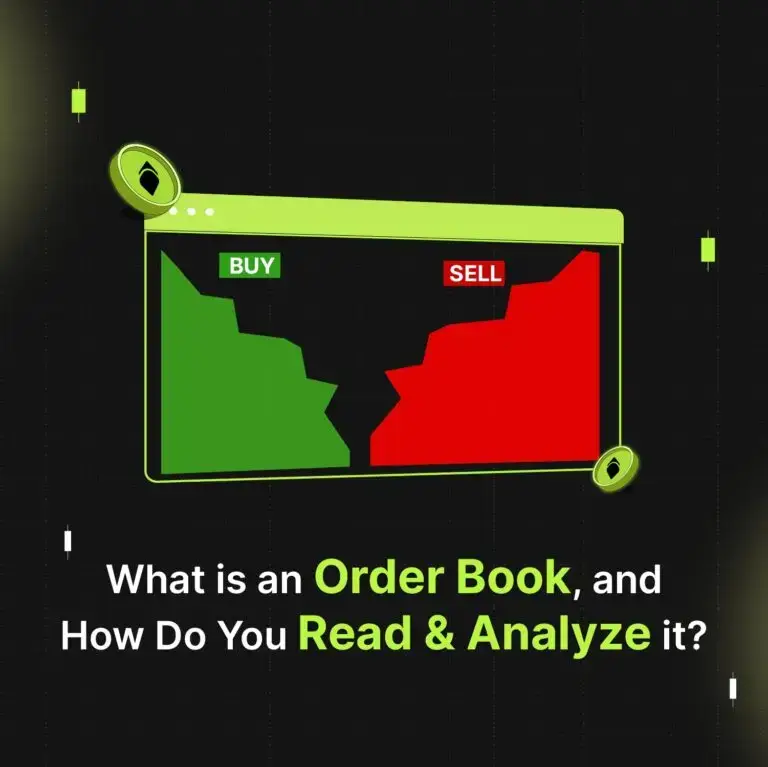
Order Books vs Liquidity Pools in DeFi | Page 11 | Bitunix

Order Books vs Liquidity Pools Explained: Why DeFi Moved to Pools

Decentralized finance reimagined how markets work. Instead of matching buyers and sellers through a central order book, many decentralized exchanges rely on liquidity pools that quote prices automatically. This choice did not happen by accident. It solved a set of problems that on-chain order books struggled with, such as thin liquidity, high gas cost, and […]

Latest Articles

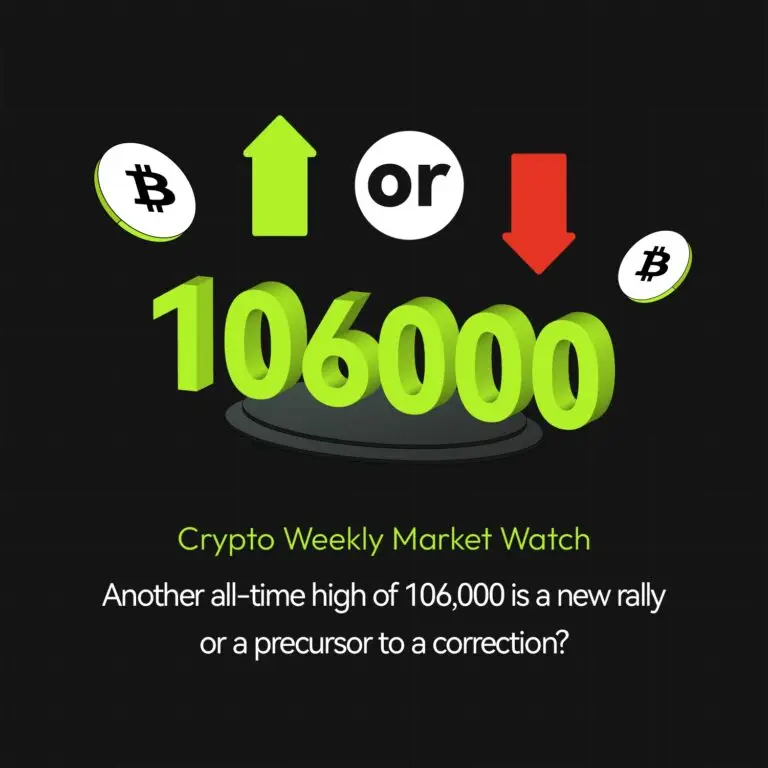
Crypto Weekly Market Overview( 02.09 – 09.09) | Bitunix | Page 11 | Bitunix

Crypto Weekly Market Overview( 02 September – 09 September)

Published on September 10, 2024 • 117 views
Understanding the Difference Between Price Cost and Value of Crypto | Bitunix Blog | Page 11 | Bitunix

Understanding the Difference Between Price Cost and Value of Crypto

Published on September 5, 2024 • 116 views
Short Selling: Ultimate Guide For Beginners | Bitunix Blog | Page 11 | Bitunix

Short Selling: Ultimate Guide For Beginners

Published on September 2, 2024 • 294 views
What is the difference between USDT-M and COIN-M futures? | Bitunix | Page 11 | Bitunix

What is the difference between USDT-M and COIN-M futures?

Published on August 27, 2024 • 578 views
How to Use Liquidation Price For Better Trading | Bitunix | Page 11 | Bitunix

How to Use Liquidation Price For Better Trading Strategy?

Published on August 26, 2024 • 890 views
SuperRare (RARE) token – What Is It? | Bitunix Blog | Page 11 | Bitunix

SuperRare (RARE) token – What Is It?

Published on August 20, 2024 • 181 views
GM.AI: The Solana AI Crypto on The Block | Bitunix Blog | Page 11 | Bitunix

GM.AI: The Solana AI Crypto on The Block

Published on August 15, 2024 • 165 views
What are the Different Order Types in Crypto? | Bitunix Blog | Page 11 | Bitunix

What are the Different Order Types in Crypto?

Published on August 12, 2024 • 927 views
Market Orders, Limit Orders, and Stop Orders | Bitunix | Page 11 | Bitunix

Understanding Market Orders, Limit Orders, and Stop Orders

Published on July 18, 2024 • 556 views
Margin Trading: How to Trade Crypto with Leverage | Bitunix Blog | Page 11 | Bitunix

Margin Trading: How to Trade Crypto with Leverage

Published on July 16, 2024 • 656 views
Understanding Crypto Funding Rate: Full Guide | Bitunix Blog | Page 11 | Bitunix

Understanding Crypto Funding Rate: Full Guide

Published on July 15, 2024 • 1,371 views
What Are the Mark Price and Last Price? | Bitunix Blog | Page 11 | Bitunix

What Are the Mark Price and Last Price?

Published on July 11, 2024 • 357 views

Ready To Place Your
Next Trade?

Choose a market, set your order, and manage risk in one place.

Start Trading
FAQ

Frequently Asked Questions

Find quick answers to common questions about Bitunix accounts, fees, deposits, withdrawals, and contract trading.

How to calculate the handling fee?

Handling fees can be found here: View handling fee details.

How to increase my daily withdrawal limit?

If you need a higher daily withdrawal limit, after obtaining KYC2 Advanced ID Verification, submit a ticket providing the following information: your Bitunix UID, the name of the currency you want to increase the withdrawal limit of, and your desired limit.

Does Bitunix have official Telegram groups and official Twitter accounts?

Bitunix official Telegram group: Join Telegram

Bitunix official Twitter account: Visit X / Twitter

Feel free to start a live chat with our customer service agents, submit a ticket, or email us whenever you have questions.

It says the phone number was already taken when I tried to link my phone number to my account. Why?

One phone number can only be linked to one account or used as username. If the phone number is not linked to your own Bitunix account, link another phone number that also belongs to you. If the phone number is linked to your own Bitunix account, you need to unlink it from that account first.

How to deposit funds?

Go to "Wallet" - "Deposit" on the Bitunix website. Follow the instructions and provide the required information. Then transfer the funds to the deposit address.

How to withdraw funds?

Go to "Wallet" - "Withdraw" on the Bitunix website. Follow the instructions and provide the required information. Digital assets can only be withdrawn to wallets. Make sure the recipient address is correct before transferring assets.

Funds are not arriving after deposit. Why?

Please check the blockchain records first to make sure that the funds were successfully sent. Then check whether the deposit address is correct. If both are correct but the funds are still not arriving, contact support and provide your UID, deposited currency, amount, time, and TXID.

Funds are not arriving after withdrawal. Why?

Copy the TXID of the withdrawal in "Recent Withdrawals". Check whether the funds were sent successfully in blockchain records using the TXID. If the funds were successfully sent but still have not arrived, contact the recipient platform or wallet. If there is no blockchain record, contact Bitunix customer service.

Is the leverage ratio in contract trading directly related to the final profit?

The PNL of the contract is calculated by the number of positions. The leverage ratio determines the number of positions opened. The higher the leverage ratio, the lower the cost. The more positions opened, the easier it is for forced liquidation to be triggered.

How to calculate the reward ratio of contract trading?

Reward ratio of contract trading = Unrealized PNL (USD) / Margin * 100%.

What will happen to a position in contract cross margin mode when the other position has been forced to liquidate?

In cross margin mode, if one position is liquidated while the other position is still profitable, the unrealized PNL of the profitable position can be used as margin. As a result, the margin of the other position will be reduced, and the liquidation price will also change.

© 2022 - 2026 Bitunix.com. All rights reserved