Perpetual futures have become the most popular derivatives in cryptocurrency trading. Unlike traditional futures contracts that have fixed expiration dates, perpetual futures can be held indefinitely. This unique structure makes them more flexible, but it also introduces mechanisms that traders must understand to use them effectively.
Two of the most important concepts in perpetual contracts are funding rates and settlement. Together, they keep the contract price close to the spot price while ensuring fair balance between long and short traders.
This article explains how perpetual futures work, how funding rates and settlement function, and how traders on Bitunix can use these mechanics to their advantage.
[ez-toc]
What Are Perpetual Futures?

Perpetual futures, sometimes called perpetual swaps, are derivatives that allow traders to speculate on the price of a cryptocurrency without owning the underlying asset.
Key characteristics include:
- No expiration date: Traders can hold positions indefinitely.
- Leverage: Traders can increase exposure without committing full capital.
- Funding mechanism: Long and short traders exchange periodic payments to keep contract prices aligned with the spot market.
- High liquidity: Perpetual futures are among the most traded instruments in crypto.
On platforms like Bitunix, perpetual futures allow retail and institutional traders to access advanced strategies with competitive fees and flexible leverage.
The Role of Funding Rates
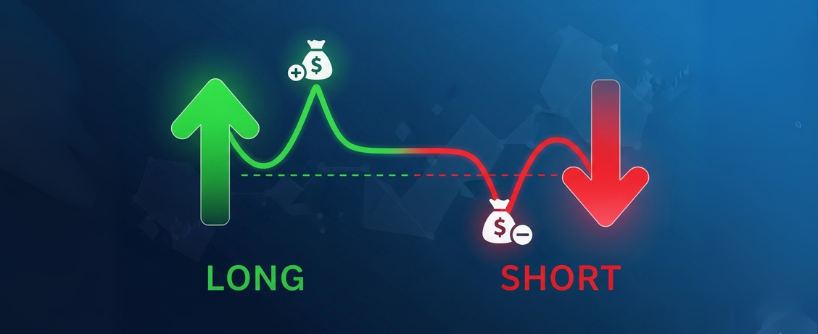
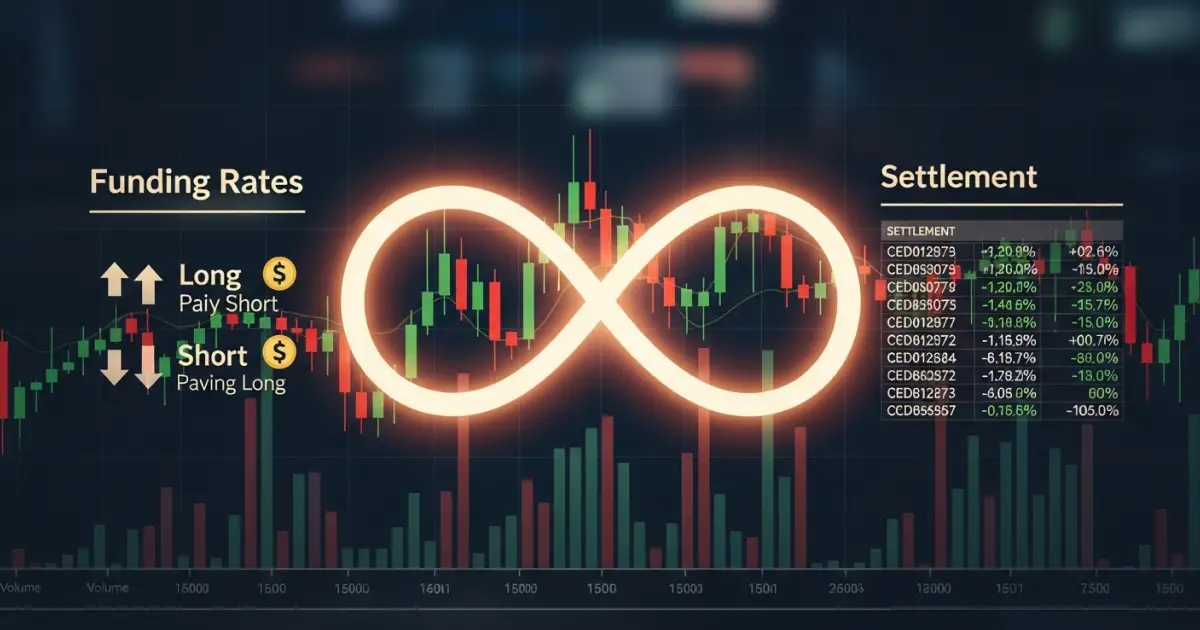
The funding rate is a small payment exchanged between long and short traders at regular intervals. It ensures perpetual futures prices stay close to the spot price.
How It Works
- If the perpetual contract trades above the spot price, the funding rate is positive. Longs pay shorts, incentivizing selling pressure.
- If the perpetual contract trades below the spot price, the funding rate is negative. Shorts pay longs, incentivizing buying pressure.
Funding Intervals
On most exchanges, including Bitunix, funding payments occur every 8 hours. Traders who hold positions at the time of funding will either pay or receive based on their position.
Example
- Bitcoin spot price: $40,000
- Perpetual contract: $40,200
- Funding rate: +0.01% In this case, long traders pay short traders to push the contract price closer to the spot level.
Settlement in Perpetual Futures
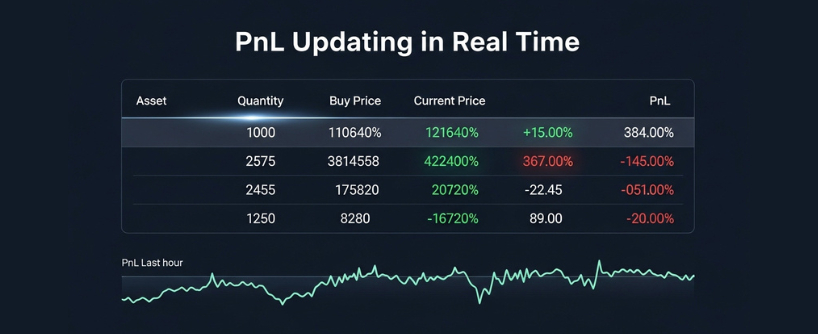
Unlike traditional futures that settle monthly or quarterly, perpetual contracts use continuous mark-to-market settlement.
This means:
- Profits and losses are realized in real time as market prices change.
- Margin balances update continuously.
- Liquidation occurs if the margin falls below the required maintenance threshold.
By eliminating expiry settlement, perpetual futures give traders flexibility to hold positions as long as they can maintain margin requirements.
Why Funding and Settlement Matter

Market Stability
Funding prevents the contract price from drifting too far away from spot prices. Without it, perpetual markets could become disconnected from real asset values.
Trader Incentives
Funding ensures fairness between longs and shorts. It discourages one-sided positioning and balances the market.
Continuous Risk Management
Settlement in real time allows traders to track performance instantly. This transparency is critical in volatile markets like crypto.
Advantages of Perpetual Futures
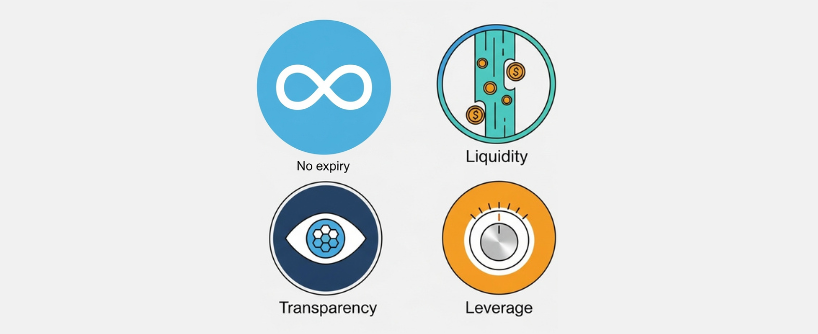
- No expiry: Traders avoid rolling contracts forward.
- Flexibility: Can be used for both hedging and speculation.
- Liquidity: Among the most liquid contracts in crypto.
- Transparency: Funding rates are published clearly on Bitunix.
- Leverage: Adjustable leverage allows traders to optimize capital usage.
Risks of Perpetual Futures
- Funding costs: Long-term positions can incur significant funding payments.
- Liquidation risk: High leverage increases the chance of forced liquidation.
- Volatility: Crypto markets can move quickly, amplifying both profits and losses.
- Complexity: Understanding funding and settlement mechanics is essential before trading.
Real-World Examples of Funding Rates
- Bitcoin bull runs: Funding rates often turn strongly positive as long positions dominate, making it expensive to hold longs.
- Crypto bear markets: Funding rates frequently flip negative as shorts dominate, rewarding traders who hold long positions.
- Neutral phases: During sideways trading, funding rates usually remain close to zero.
By tracking funding, traders can gauge market sentiment and position accordingly.
How Bitunix Helps Traders with Perpetual Futures
Bitunix provides tools to help traders manage perpetual futures efficiently:
- Transparent funding rate display: Traders can monitor upcoming funding payments directly on the trading interface.
- Customizable leverage: Adjust position size according to funding costs and risk appetite.
- TradingView charts: Track funding impact on price action across multiple timeframes.
- Order types: Use stop and conditional orders to manage liquidation risks.
- Futures copy trading: Learn from professionals who actively manage funding costs in their strategies.
- Mobile trading app: Monitor positions and funding rates in real time while trading on the go.
These features give Bitunix traders the control needed to navigate perpetual futures with confidence.
FAQ
Why do perpetual futures need funding rates?
Funding rates ensure the perpetual contract price stays close to the spot price by incentivizing balance between longs and shorts.
How often are funding payments made?
On most exchanges, including Bitunix, funding is paid every 8 hours.
Do traders always pay funding?
No. Sometimes traders receive funding depending on whether the rate is positive or negative.
How does settlement in perpetual futures differ from traditional futures?
Traditional futures settle on expiry dates, while perpetual contracts settle continuously in real time.
Can perpetual futures be used for long-term holding?
Yes, but traders must factor in ongoing funding costs when holding positions for extended periods.
How does Bitunix support perpetual futures traders?
Bitunix provides transparent funding data, customizable leverage, risk management tools, and copy trading features to help traders manage perpetual contracts effectively.
Conclusion
Perpetual futures are the most important innovation in crypto derivatives, combining flexibility, liquidity, and accessibility. The funding rate and settlement mechanics ensure perpetual contracts remain aligned with spot prices, providing fairness and market stability.
For traders, understanding these mechanics is critical to managing risk and maximizing opportunities. On Bitunix, advanced features such as funding rate transparency, customizable leverage, real-time settlement, and professional-grade charting make perpetual futures more accessible and efficient than ever.
By mastering how funding and settlement work, traders can unlock the full potential of perpetual contracts in their trading strategies.
Disclaimer: Trading digital assets involves risk and may result in the loss of capital. Always do your own research. Terms, conditions, and regional restrictions may apply.