Published on June 12, 2025 by AG - Content Manager • 17 min read
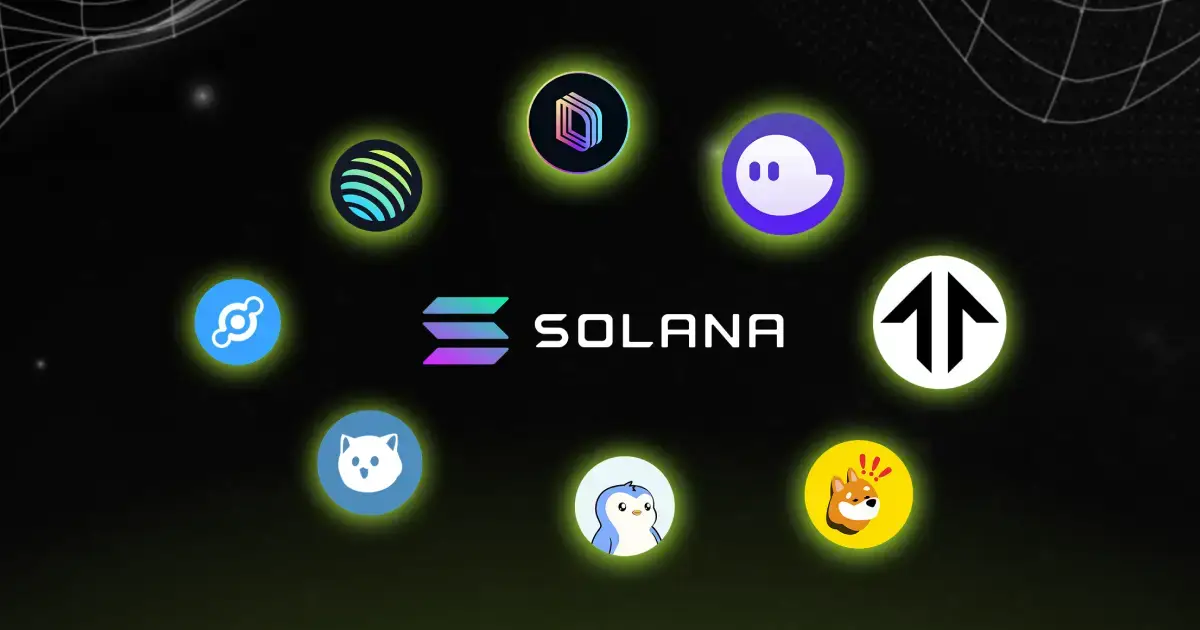
The Solana ecosystem has become one of the most active areas in crypto, covering decentralized finance, meme coins, wallets, NFTs, gaming, payments, DePIN, and consumer applications. In 2026, Solana is no longer viewed only as a fast blockchain. It has developed into a full Web3 ecosystem where traders, developers, creators, and everyday users can interact with crypto applications at high speed and low cost.
Solana’s growth is supported by its fast transaction processing, low fees, active developer base, and expanding application layer. The network is widely used across decentralized exchanges, lending platforms, perpetual trading protocols, liquid staking services, NFT marketplaces, and meme coin markets. Solana documentation also states that every transaction includes a base fee of 5,000 lamports per signature, plus an optional priority fee when users want faster scheduling during busy periods.
This guide explains the Solana ecosystem in 2026, including the top Solana DeFi projects, leading DApps, major meme coins, NFT and DePIN projects, and how users can trade Solana ecosystem tokens through platforms such as Bitunix.
What Is the Solana Ecosystem?
The Solana ecosystem refers to the network of applications, tokens, tools, wallets, protocols, and communities built on the Solana blockchain.
It includes:
DeFi platforms
Decentralized exchanges
Lending and borrowing protocols
Liquid staking protocols
Perpetual futures platforms
Wallets
NFT marketplaces
Meme coins
Gaming applications
DePIN projects
Payments tools
Developer infrastructure
The ecosystem is powered by SOL, the native token of the Solana blockchain. SOL is used for transaction fees, staking, network security, and interacting with applications across the network.
Why the Solana Ecosystem Matters in 2026
Solana remains one of the most important blockchain ecosystems because it focuses on speed, low transaction costs, and consumer-friendly user experience.
According to DeFiLlama, Solana continues to show strong activity across DeFi, stablecoins, DEX volume, perpetual volume, active addresses, and transactions. Recent DeFiLlama data shows Solana with billions in stablecoin market capitalization, more than $1 billion in daily DEX volume, and tens of millions of daily transactions.
The network matters in 2026 for several reasons:
It supports fast and low-cost transactions.
It has one of the most active DeFi markets.
It is a major chain for meme coin trading.
It supports consumer-facing Web3 apps.
It has strong wallet and DEX infrastructure.
It is expanding into payments, DePIN, NFTs, and mobile use cases.
Solana is especially important for traders because low fees and fast execution make it easier to move between tokens, interact with DApps, and trade volatile assets such as meme coins.
How Solana Works: Simple Explanation
Solana is a Layer 1 blockchain designed to process transactions quickly and efficiently. Its architecture uses a combination of Proof of Stake and Proof of History, which helps the network organize transactions and maintain high throughput.
For users, the main benefits are simple:
Transactions are fast.
Network fees are usually low.
DApps feel more responsive.
Smaller trades are more practical.
Developers can build high-volume applications.
This technical design has helped Solana become popular for trading applications, NFT platforms, payments, gaming, and meme coin activity.
Main Categories in the Solana Ecosystem
The Solana ecosystem is broad, but most projects fall into several major categories.
Category
Examples
Main Use
DeFi
Jupiter, Kamino, Drift, Raydium, Jito
Trading, lending, staking, liquidity
Wallets
Phantom, Solflare, Backpack
Asset storage and DApp access
Meme Coins
BONK, WIF, PENGU, GIGA
Community trading and speculation
NFTs
Tensor, Magic Eden, Mad Lads
NFT trading and digital collectibles
DePIN
Helium, Render
Physical infrastructure and decentralized networks
This diversity is one reason Solana has remained relevant. It is not only a DeFi chain or a meme coin chain. It supports many types of Web3 activity.
Top 6 Solana DeFi Projects in 2026
DeFi remains one of the strongest parts of the Solana ecosystem. In 2026, the leading Solana DeFi projects are focused on swaps, liquidity routing, lending, liquid staking, perpetual trading, and structured yield.
Jupiter
Jupiter is one of the most important projects in the Solana ecosystem. It is best known as a DEX aggregator that helps users find efficient token swap routes across Solana liquidity sources.
Jupiter is important because many Solana users rely on it to trade tokens, including meme coins, stablecoins, and ecosystem assets. It also supports the broader trading experience on Solana by improving access to liquidity.
Key features include:
Token swaps
Liquidity routing
Limit orders
DCA tools
Perpetual trading features
Broad Solana token access
Jupiter should be treated as a major Solana DeFi and trading infrastructure project, not as a meme coin.
Kamino Finance
Kamino Finance is one of Solana’s leading DeFi platforms for lending, borrowing, liquidity strategies, and yield products. It has become a major part of the Solana DeFi market because it supports users who want to manage capital across lending markets and liquidity strategies.
Kamino is useful for users who want:
Lending
Borrowing
Automated liquidity strategies
Yield optimization
DeFi capital management
In 2026, Kamino is often discussed among the top Solana DeFi protocols because of its role in lending and structured liquidity.
Drift Protocol
Drift Protocol is a decentralized perpetual futures exchange on Solana. It allows users to trade crypto derivatives without relying on a traditional centralized futures exchange.
Drift is important for Solana because perpetual trading is a major part of crypto market activity. Solana’s speed helps support a smoother derivatives trading experience, especially for users who need faster execution.
Main features include:
Perpetual futures trading
Leverage trading
On-chain order execution
Risk management tools
Solana-native derivatives markets
Users should remember that perpetual futures trading is high-risk because leverage can increase both profits and losses.
Raydium
Raydium is one of Solana’s long-running decentralized exchanges and liquidity platforms. It supports token swaps, liquidity pools, and market access for many Solana ecosystem tokens.
Raydium remains important because it is widely used for Solana token liquidity, including meme coins and newer ecosystem assets.
Main features include:
Token swaps
Liquidity pools
Yield farming
Solana token markets
DEX trading access
Jito
Jito is a major Solana liquid staking and MEV infrastructure project. Liquid staking allows users to stake SOL while receiving a liquid staking token that can potentially be used across DeFi.
Jito plays an important role in Solana because staking is central to network security, and liquid staking makes staked assets more flexible for DeFi users.
Main features include:
SOL liquid staking
Staking yield
DeFi integrations
Validator infrastructure
MEV-related tools
Save Protocol
Save Protocol, formerly known as Solend, is a Solana-based lending and borrowing protocol. It allows users to supply assets, borrow assets, and participate in lending markets on Solana. DeFiLlama describes Save as an algorithmic decentralized protocol for lending and borrowing on Solana.
Save Protocol remains relevant because lending markets are a core part of DeFi. They allow users to access liquidity, use collateral, and manage assets without selling them.
Phantom is one of the most popular wallets in the Solana ecosystem. It acts as a gateway for users who want to store tokens, connect to DApps, trade assets, manage NFTs, and interact with Solana applications.
Main features include:
SOL and token storage
NFT management
DApp connection
Swaps
Staking access
Multi-chain support
For many beginners, Phantom is the first wallet used to access the Solana ecosystem.
Solflare
Solflare is another major Solana wallet. It supports SOL storage, token management, staking, and DApp access. Users who want an alternative to Phantom may consider Solflare for Solana ecosystem activity.
Tensor
Tensor is a major NFT marketplace in the Solana ecosystem. It is used by NFT traders and collectors who want access to Solana NFT collections, analytics, and trading tools.
Tensor matters because NFTs remain an important part of Solana culture, even as meme coins and DeFi have gained more attention.
Magic Eden
Magic Eden is a multi-chain NFT marketplace with strong Solana roots. It supports NFT discovery, trading, collections, and creator activity. For users exploring Solana NFTs, Magic Eden remains one of the better-known platforms.
Pyth Network
Pyth Network is an oracle project that provides real-time market data to blockchain applications. Oracles are important because DeFi protocols need reliable data for pricing, lending, derivatives, and risk management.
Pyth supports many applications across Solana and other chains, making it one of the more important infrastructure projects connected to the Solana ecosystem.
Helium
Helium is a decentralized wireless network project that migrated to Solana. It connects physical infrastructure with blockchain incentives, which places it in the DePIN category.
Helium is important because it shows that Solana can support more than trading and NFTs. It also supports real-world infrastructure projects.
Render
Render is another well-known DePIN-related project connected with Solana. It focuses on decentralized GPU rendering and computing resources. Render highlights Solana’s role in infrastructure markets beyond standard DeFi and meme coins.
Top Solana Meme Coins in 2026
Meme coins remain one of the most active parts of Solana. These tokens are high-risk, but they attract traders because of their strong communities, fast price movement, and viral narratives.
BONK
BONK is one of the earliest and most recognized Solana meme coins. It helped establish Solana’s reputation as a strong chain for meme coin trading.
BONK remains important because it has strong brand recognition, exchange visibility, and a large community. It is often seen as one of Solana’s original meme tokens.
WIF
Dogwifhat, or WIF, is another major Solana meme coin. Its simple visual identity and viral branding helped it become one of the best-known meme coins in the Solana ecosystem.
WIF is widely watched by meme coin traders because it reflects the speed and intensity of Solana meme culture.
PENGU
PENGU is connected with Pudgy Penguins, one of the most recognizable NFT brands in crypto. It combines meme coin trading with NFT culture and strong community branding.
PENGU is different from many meme coins because it is linked to a broader consumer-facing brand and existing NFT community.
GIGA
GIGA is a Solana meme coin inspired by the Gigachad internet meme. It focuses on internet culture, confidence-themed branding, and community identity.
GIGA is part of the broader Solana meme coin market where cultural recognition and social media momentum can drive attention.
POPCAT
POPCAT is another Solana meme coin that gained popularity through simple and viral internet culture. Like other meme coins, it is highly speculative and depends heavily on market attention and liquidity.
Solana NFTs in 2026
Solana NFTs remain an important part of the ecosystem, although the market has changed compared with earlier NFT cycles. Instead of pure profile-picture speculation, more projects now focus on communities, gaming, rewards, trading tools, and consumer brands.
Popular Solana NFT-related areas include:
NFT marketplaces
Gaming assets
Creator communities
Collectibles
Token-linked NFT ecosystems
NFT analytics platforms
Projects such as Tensor, Magic Eden, Mad Lads, and Pudgy Penguins-related activity continue to shape Solana’s NFT identity.
Solana DePIN and Consumer Projects
One of the most interesting parts of the Solana ecosystem in 2026 is the growth of DePIN and consumer applications.
DePIN stands for decentralized physical infrastructure networks. These projects use blockchain incentives to coordinate real-world infrastructure, such as wireless networks or computing resources.
Major examples include:
Helium for decentralized wireless infrastructure
Render for decentralized GPU rendering
Solana Mobile and mobile-based crypto access
Payment tools that use stablecoins and Solana settlement
This area matters because it moves Solana beyond trading. It shows how blockchain applications can connect with real-world services and consumer behavior.
Trading Solana Ecosystem Tokens on Bitunix
Bitunix provides access to Solana ecosystem trading through supported spot and futures markets. Users can check live Bitunix markets for available pairs such as SOL/USDT, BONK/USDT, and other Solana-related tokens. Bitunix has public market pages for SOL/USDT and BONK/USDT spot trading, making it easier for users to access major Solana assets from one platform.
Bitunix trading features may include:
Spot trading
Futures trading
USDT trading pairs
SL/TP order tools
Charting tools
Risk management features
Mobile trading access
Before trading, users should always check whether the specific token is listed on Bitunix and whether it is available for spot, futures, or both.
How to Research Solana Projects Before Trading
The Solana ecosystem moves quickly, so users should research carefully before buying any token.
Check the Project Category
Understand whether the project is DeFi, meme coin, NFT, DePIN, wallet infrastructure, or another type of application.
Review Live Market Data
Check price, market cap, volume, liquidity, and circulating supply before trading.
Check Token Address
For meme coins and new tokens, always verify the official token address using trusted sources such as official websites, market trackers, or Solscan.
Review Utility
Ask whether the token has a real use case, governance function, staking role, liquidity role, or mainly meme-driven demand.
Study the Community
A strong community can help a project grow, but fake hype and bot activity are common. Look for consistent and organic engagement.
Understand the Risks
Every crypto asset carries risk. Solana meme coins, early DApps, and leveraged DeFi tools can be especially volatile.
Risks in the Solana Ecosystem
Solana projects can offer strong opportunities, but users should understand the risks.
Risk
Explanation
Market Volatility
Token prices can move sharply in either direction
Smart Contract Risk
DeFi protocols may contain bugs or vulnerabilities
Liquidity Risk
Smaller tokens may be difficult to buy or sell efficiently
Meme Coin Risk
Meme tokens can lose attention quickly
Leverage Risk
Futures and margin products can increase losses
Wallet Risk
Users can lose funds through phishing or poor key management
Network Congestion
High activity can affect transaction experience
Project Risk
Some projects may fail, rebrand, or lose developer support
A strong Solana ecosystem does not mean every Solana project is safe. Users should evaluate each token and DApp separately.
Solana Ecosystem Outlook for 2026
The Solana ecosystem in 2026 is likely to remain active across several major themes:
DeFi growth
Meme coin trading
Liquid staking
Perpetual futures
NFT marketplaces
DePIN projects
Consumer applications
Mobile crypto access
Stablecoin payments
Solana’s main advantage is that it supports high-volume activity with low fees, making it attractive for both traders and developers. The strongest projects will likely be those that combine real usage, liquidity, community, and sustainable product demand.
Conclusion
The Solana ecosystem in 2026 is one of the most active and diverse areas in crypto. It includes major DeFi protocols such as Jupiter, Kamino, Drift, Raydium, Jito, and Save Protocol, popular DApps such as Phantom, Tensor, Magic Eden, Pyth, Helium, and Render, and widely traded meme coins such as BONK, WIF, PENGU, GIGA, and POPCAT.
Solana’s speed and low fees continue to support trading, DeFi, NFTs, payments, and consumer applications. However, users should treat every project carefully. DeFi protocols can carry smart contract risk, meme coins can be extremely volatile, and leveraged trading can increase losses.
For traders who want exposure to Solana ecosystem tokens, Bitunix offers access to supported markets such as SOL and selected Solana-related tokens. Before trading, always check live listings, verify token details, and use proper risk management.
FAQ
What is the Solana ecosystem?
The Solana ecosystem is the full network of tokens, wallets, DeFi platforms, DApps, NFT marketplaces, meme coins, DePIN projects, and developer tools built on the Solana blockchain.
Why is Solana popular in 2026?
Solana is popular because it offers fast transactions, low fees, active DeFi markets, strong meme coin activity, and a growing range of consumer-focused applications.
What are the best Solana DeFi projects in 2026?
Some of the leading Solana DeFi projects in 2026 include Jupiter, Kamino Finance, Drift Protocol, Raydium, Jito, and Save Protocol.
What are the top Solana meme coins?
Popular Solana meme coins include BONK, WIF, PENGU, GIGA, and POPCAT. These tokens are highly speculative and should be traded with caution.
Is Jupiter a meme coin?
No. Jupiter is mainly a Solana DEX aggregator and DeFi infrastructure project. JUP may be traded by Solana users, but Jupiter should not be classified as a pure meme coin.
What wallets are used in the Solana ecosystem?
Popular Solana wallets include Phantom, Solflare, and Backpack. These wallets allow users to store SOL, manage tokens, and connect to DApps.
Can I trade Solana tokens on Bitunix?
Yes. Bitunix supports trading for SOL and selected Solana-related tokens. Users should check the live Bitunix market page to confirm current available pairs.
Are Solana meme coins risky?
Yes. Solana meme coins are highly volatile and can lose value quickly. They depend heavily on community attention, liquidity, and market sentiment.
What is DePIN in the Solana ecosystem?
DePIN means decentralized physical infrastructure network. In Solana, projects such as Helium and Render connect blockchain incentives with real-world infrastructure or computing resources.
Is Solana better than Ethereum?
Solana offers faster and lower-cost transactions, while Ethereum has a larger long-term developer and liquidity base. The better choice depends on the user’s needs, such as DeFi, NFTs, payments, or trading.
Glossary
Solana: A Layer 1 blockchain designed for fast and low-cost transactions.
SOL: The native token of Solana, used for fees, staking, and network activity.
Solana Ecosystem: The collection of applications, tokens, wallets, protocols, and communities built on Solana.
DeFi: Decentralized finance applications such as lending, borrowing, swaps, staking, and derivatives.
DApp: A decentralized application built on a blockchain.
DEX: A decentralized exchange where users trade directly through wallets.
DEX Aggregator: A tool that searches multiple liquidity sources to find better swap routes.
Jupiter: A major Solana DEX aggregator and trading infrastructure platform.
Kamino Finance: A Solana DeFi protocol focused on lending, borrowing, and liquidity strategies.
Drift Protocol: A Solana-based decentralized perpetual futures trading protocol.
Raydium: A Solana decentralized exchange and liquidity platform.
Jito: A Solana liquid staking and infrastructure project.
Save Protocol: A Solana lending and borrowing protocol formerly known as Solend.
Phantom: A popular wallet used to access Solana tokens and DApps.
Pyth Network: An oracle network that provides market data for blockchain applications.
Meme Coin: A cryptocurrency mainly driven by internet culture, community hype, and social attention.
BONK: One of the earliest and most recognized Solana meme coins.
WIF: The ticker for Dogwifhat, a popular Solana meme coin.
PENGU: A token connected with the Pudgy Penguins brand and community.
DePIN: Decentralized physical infrastructure network, where blockchain incentives are used for real-world infrastructure.
NFT: A non-fungible token used to represent unique digital assets.
TVL: Total value locked, a metric showing how much capital is deposited in DeFi protocols.
Liquidity: The ease of buying or selling an asset without causing major price movement.
Slippage: The difference between expected trade price and actual execution price.
Smart Contract Risk: The risk that a blockchain application may have bugs, vulnerabilities, or design issues.
About Bitunix
Bitunix is a global cryptocurrency derivatives exchange trusted by over 5 million users across more than 100 countries. The platform is committed to providing a transparent, compliant, and secure trading environment for every user. Bitunix offers a fast registration process and a user-friendly verification system supported by mandatory KYC to ensure safety and compliance. With global standards of protection through Proof of Reserves (POR) and the Bitunix Care Fund, Bitunix prioritizes user trust and fund security. The K-Line Ultra chart system delivers a seamless trading experience for both beginners and advanced traders, while leverage of up to 200x and deep liquidity make Bitunix one of the most dynamic platforms in the market.
Disclaimer: Trading digital assets involves risk and may result in the loss of capital. Always do your own research. Terms, conditions, and regional restrictions may apply.
Table Of Contents
Ready To Place Your Next Trade?
Choose a market, set your order, and manage risk in one place.
AG | Content Manager | Bitunix
May 27, 2026 No Comments
Learn how stablecoin regulation in 2026, the GENIUS Act, AML rules, DeFi yield limits, and stablecoin payments may affect crypto traders and everyday users.
AG | Content Manager | Bitunix
May 27, 2026 No Comments
Discover which Layer 1 blockchains will survive 2026 and learn how traders can park liquidity long-term across the best L1 crypto networks with Bitunix tools.